Does God Speak?
Jun 10, 2022 By Benjamin D. Sommer | Commentary | Naso
The final verse of Parashat Naso is easy to miss. It comes after a long passage that describes the gifts the leader of each tribe presented at the Tabernacle or Tent of Meeting (both names are used for the structure) in the wilderness. Twelve times we read six verses listing the exact same set of items donated from each tribe. The substantial amount of repetition may lead readers to lose some focus as they move through the passage. But Numbers 7:89, the verse that comes right after those twelve sets of six verses, is highly significant. It provides crucial information about the nature of revelation as understood by the kohanim (Priests) who wrote this section of the Torah.
Read More
Counting With the Full Severity of Compassion
Jun 3, 2022 By Beverly Bailis | Commentary | Bemidbar
Bemidbar, which opens the book of Numbers with a census in the wilderness, was going to be my son’s bar mitzvah parashah. His bar mitzvah had been scheduled for May 16, 2020, a date that coincided with the beginning of the 2020 US decennial census. Initially, the rather administrative biblical verses seemed dry and perfunctory: lists of names and numbers, first of a military census, followed by a census of the Levites, and then the family of Kohath, a Levite subclan. Yet as we became increasingly aware of the importance of these biblical censuses, we came to understand our own current moment and the 2020 census in a new light. Censuses capture a moment in time, as valuable points of data help to paint a picture of what a society is like, who we are as a nation, and our identity as a People
Read More
The Blessings of Curses
May 27, 2022 By Ellie Gettinger | Commentary | Behukkotai
It is easy to see the last two years as a curse. A million people have died in the US alone; lives have been upended. We are in a constant state of emotional whiplash, responding to whatever new national emergency faces us. Reading the curses at the center of Parashat Behukkotai, I was struck by how chaos and lack of control presented within the tokhehah, or admonition, dovetails with the constant emotional disruption of the pandemic.
Read More
The Limitations of Ownership
May 20, 2022 By Yedida Eisenstat | Commentary | Behar
Rashi, the well-known medieval northern French biblical commentator, begins his commentary on this week’s parashah with a famous question, loosely paraphrased as follows: In what way does the matter of shemittah[the sabbatical year] have anything to do with Mount Sinai? In other words, the laws of Leviticus 25—beginning with the agricultural restrictions of the seventh year, the regulations regarding the jubilee year, limitations on sale of land and slaves—are wholly dependent on Israel living in Israel. So why, Rashi asks, were these laws commanded so long before they would become relevant? Of what relevance are the laws of shemittah to the Israelites at Sinai?
Read More
For What Should I Compromise on Religious Observance?
May 13, 2022 By Alan Imar | Commentary | Emor
To what extent should we be flexible in our adherence to religious precepts, and to what extent can we remain steadfast in our commitment to certain principles, even if they exclude others? With this dilemma in mind, I want to consider the opening lines of this week’s parashah, which discuss cases where a priest may allow himself to receive tumat met (impurity from a corpse), something he is not usually permitted to do
Read More
Fruit Trees and Foreskins
May 6, 2022 By Naama Weiss | Commentary | Kedoshim
In Parashat Kedoshim, the Torah introduces the commandment of orlah (עָרְלָה), where one is forbidden from eating fruit that grows in the first three years after a tree’s planting.
But the use of the word orlah here has puzzled generations of commentators, for though it appears frequently in the Torah, it is not typically connected to trees. Indeed we primarily associate the term with circumcision. How are the two uses of orlah related? And can tracing this relationship reveal something new about the rite of circumcision itself?
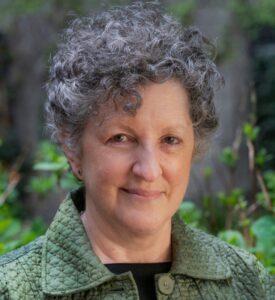
Who is the Stranger?
Apr 29, 2022 By Linda S. Golding | Commentary | Aharei Mot
What a great invitation, I thought, to write a d’var Torah on Aharei Mot! The opening verses that include “Tell your brother Aaron that he is not to come at will into the Shrine behind the curtain . . . lest he die” came immediately to mind. The directive to be mindful and thoughtful when entering God’s presence and the presence of others certainly aligns with a chaplain’s way of being. When entering a hospital room, for example, I know that the Shekhinah, God’s healing presence, is at the head of the patient’s bed. Holiness is already in the room, and I must be prepared to pay attention.
Read More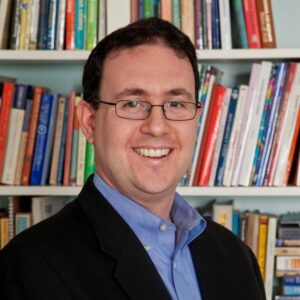
Remembering Together
Apr 22, 2022 By William Plevan | Commentary | Pesah
The celebration of Pesah is an outstanding example of the central role that memory plays in Jewish tradition. Underscoring the importance of memory for sustaining human societies, Elie Wiesel wrote, “Without memory, there is no culture. Without memory, there would be no civilization, no society, no future.” Communal memory, of course, goes far beyond what any one individual can remember and experience. And yet, what makes memory so powerful as a vehicle for communal identity is that it speaks to us on a personal level.
Read More