Dancing with Torah
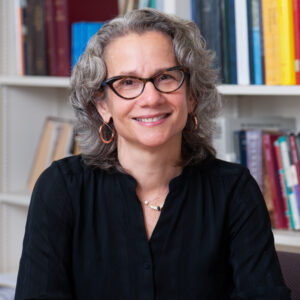
Oct 2, 2026 By Amy Kalmanofsky | Commentary | Sukkot
The interplay between the written and the oral Torah has sustained the Jewish people over time. Although they debated the proportions and priorities of what to study, the Talmud’s rabbis recognized the importance of both the Written and the Oral Torahs [Kiddushin 30a; Baba Metzia 33a]. They understood the sacred dance between the seen and the heard, the read and the taught, the fixed and the fluid.
Read More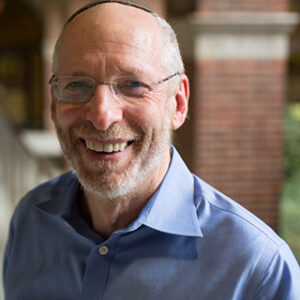
We Are All Sukkah-Dwellers
Sep 25, 2026 By Eliezer B. Diamond z”l | Commentary | Sukkot
The relationship between flesh and bone can serve as a useful paradigm for thinking about the symbolism of the sukkah; moreover, it can shape our experience of dwelling in it. All year long we dwell in houses. We experience them as durable shelters, places to retreat from the rest of the world and focus on our own lives, untethered to needs and demands of others—especially if we can avoid checking our smartphones.
Read More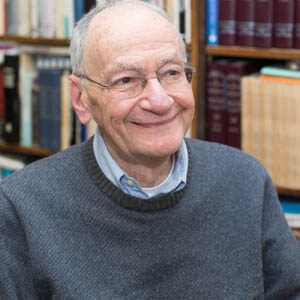
From Whence to Where
Sep 18, 2026 By Ismar Schorsch | Commentary | Shabbat Shuvah | Yom Kippur
Yom Kippur turns on a stunning paradox. A prodigious effort at repentance yields but the modest request of one more year to address our failings. Living life from the end is intended to heighten our appreciation of every passing day. The attainment of eternity is not susceptible to a single leap, but only to daily, arduous labor.
Read More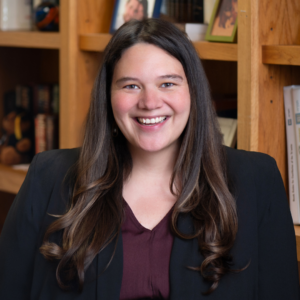
From Nothing to Nothing: Finding Your Own Voice in Prayer
Aug 31, 2026 By Cantor Rabbi Shoshi Levin Goldberg | Public Event video | Video Lecture | Rosh Hashanah | Yom Kippur
The High Holiday liturgy offers a rich tapestry of words handed down through generations, yet it also leaves room for something deeply personal: the prayers of our own hearts. In this session, Cantor Rabbi Shoshi Levin Goldberg, Director of the H. L. Miller Cantorial School, will explore the quiet prayer recited at the conclusion of the Amidah—a passage traditionally associated with the personal supplications of the sages—and consider what it teaches us about bringing our authentic selves into prayer.
Read More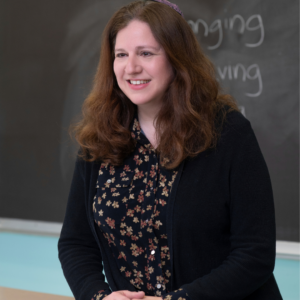
Fear, Trauma, and the High Holidays: Reading Ancient Texts with Compassion
Aug 24, 2026 By Naomi Kalish | Public Event video | Video Lecture | Rosh Hashanah
In this session, Rabbi Naomi Kalish, Director of the Program in Spiritual Care and Counseling, JTS, will explore how the themes of fear and trauma surface throughout the High Holidays, with particular attention to the banishment of Hagar and Ishmael, the binding of Isaac, and the recurring language of the Psalms.
Read More
Objects of Awe: The Meaning of the High HolidaysThrough Treasures from the JTS Library
Aug 17, 2026 By Marcus Mordecai Schwartz | Public Event video | Video Lecture | Rosh Hashanah | Yom Kippur
What can a medieval prayer book, one of the earliest printed Hebrew mahzorim, and a set of century-old baseball card sized boxing cards teach us about the High Holidays? These three remarkable objects from The JTS Library demonstrate how Jewish communities across the centuries have expressed themes of kingship, tradition, strength, repentance, and renewal.
Read More
Pinehas and the Three Weeks
Jul 3, 2026 By Marcus Mordecai Schwartz | Commentary | Pinehas | Tishah Be'av
Most years, Parashat Pinehas is read near the beginning of the Three Weeks. While the timing before or after the Seventeenth of Tammuz shifts, the proximity is worth noticing. This minor fast day commemorates the breaching of Jerusalem’s walls before the destruction of the Second Temple, marks the beginning of the traditional period of mourning that culminates on Tish‘ah Be-Av. Both the parashah and the season that follow are unusually concerned with numbers. Pinehas features a wide range of narratives including the reward granted to Pinehas, the daughters of Zelophehad, and the appointment of Joshua as Moses’ successor. Yet counting appears again and again. A census records the size of the tribes. The inheritance laws depend upon the distribution of land among those tribes. By the end of the parashah, the Torah has turned almost entirely to the calendar, laying out the offerings for Sabbaths, new moons, and festivals.
Read More
JTS High Holiday Webinars 2026
Join The Jewish Theological Seminary this August for a special webinar series to help prepare for the Days of Awe. Through conversations with JTS scholars, we will explore themes that shape the High Holiday season, including fear and resilience, prayer and liturgy, and the enduring wisdom of Jewish texts and traditions. These sessions will offer fresh perspectives, thoughtful reflection, and practical insights to help deepen your experience of the High Holidays.
Read More