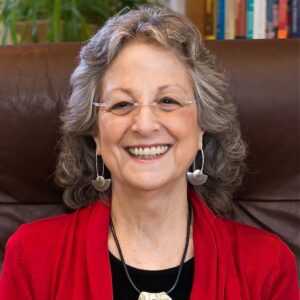
The Challenges of Change
Mar 30, 2018 By Mona Fishbane | Commentary | Pesah
I love Pesah, the holiday of intergenerational narrative. When we used to host the seder, our parents, siblings, and young children would join us at the table as we passed on and renewed the tradition each year. My husband’s puppet show was a favorite—he would spin a story from his vivid imagination—including, in one memorable year, how the bad guys stuffed Matzah into the Omphalos, the center of the world, causing havoc and chaos, and how Moshe had to get it unstuck and open the pathways. Sesame Street meets Kabbalah.
Read More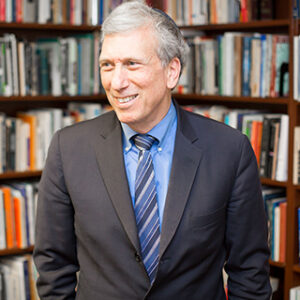
Four New Questions from the Four Children
Mar 23, 2018 By Arnold M. Eisen | Commentary | Shabbat Hagadol
Here’s a challenge for the rising generations seated around the seder table this year: make sure your Four Questions address the ways in which things truly are different in 2018 from how they have been at Passovers in the past.
Read More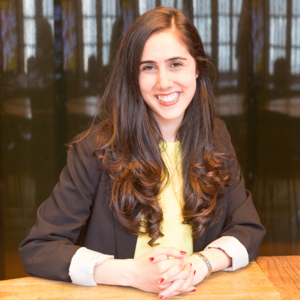
Redeeming the Plagues
Jan 12, 2018 By Miriam Liebman | Commentary | Va'era | Pesah
Every year at the Passover seder, there is a brief pause in the chaos when everyone dips a finger in their cup of wine and spills a single drop for each of the ten plagues. We are spilling wine to remind ourselves that although the plagues served as miracles for us, those miracles came at the expense of others.
Read More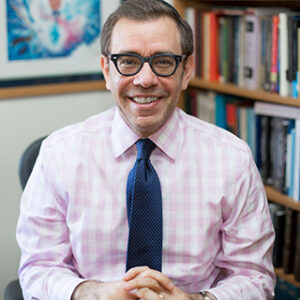
The Hanukkah Story I Need to Hear This Year
Dec 15, 2017 By David Hoffman | Commentary | Hanukkah
Stories have great power. We tell stories about ourselves and about our communities because they give our lives meaning, and they help us navigate between the past and the future. We use stories to help us make sense of the world and our place in it. Not far behind the seemingly innocent plots of many of the stories we tell about our community’s religious history lie profound cultural responses to our most pressing questions about what it means to be a human being and how to live life well.
Read More
Yosef: A Light in the Darkness
Dec 8, 2017 By Eitan Fishbane | Commentary | Vayeshev | Hanukkah
Parashat Vayeshev takes us deep into the pain and alienation of being human, of yearning from a low place of darkness and suffering. And yet the narrative also conveys the power of hope—a longing for God and redemption, for spiritual and moral healing in our human relationships.
Read More
A Sukkah Remembers
Oct 4, 2017 By Ofra Arieli Backenroth | Commentary | Sukkot
In his poem “The Jews,” Yehuda Amichai (1924–2000) bestows on us a full typology of the Jewish people—from the standpoints of both Jews themselves and outsiders. Some of those images remain with us: the Jew wearing a Turkish turban in a Rembrandt painting, the Chagall Jew holding a violin as he flies over rooftops, and other vivid images. In the middle of the poem, Amichai mentions a sukkah—his grandfather’s sukkah, in particular. Amichai turns the memory of the Israelites’ wanderings in the desert that the sukkah usually evokes on its head, and describes the sukkah as an object that itself remembers and reflects back to us the history of the Jews.
Read More
Our Very Life
Oct 4, 2017 By JTS Alumni | Commentary | Sukkot
One time it happened that a priest poured the libation on his feet, and all the people pelted him with their etrogim. (M. Sukkah 4:9)
The above Mishnah describes a scandalous episode set on the festival of Sukkot during the Second Temple period. The previous mishnah explains that on each day of the festival there was a ceremony where the priests would fill a golden flask with water from the Shiloah spring and bring it to the Temple to offer as a sacrifice on the altar. The special sacrifice of water was only offered on Sukkot. All other days of the year wine would be poured on the altar.
Read More