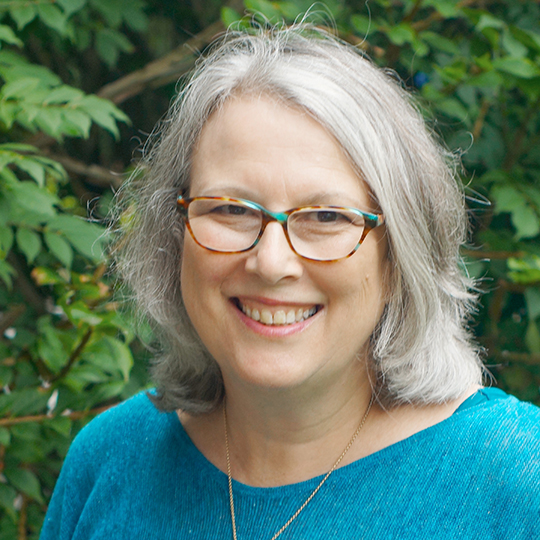
JTS Innovator: Eliav Bock

Director, Camp Ramah in the Rockies (Colorado)

Rabbi Eliav Bock is the founder and executive director of Camp Ramah in the Rockies, which strives to stir the Jewish soul of every camper through song, prayer, and engagement with the natural world. A master educator, Eliav inspires hundreds of children each summer with a love for Judaism and the earth’s natural gifts.

The Crossroads Campaign: Creating Inspired Jewish Leaders

Through the Crossroads Campaign, we are raising funds to train outstanding Jewish leaders who will inspire generations of students, congregants, and communities. Partner with us in this historic investment in JTS and the Jewish world. 

Learn more

JTS Innovator: Rami Schwartzer

Co-Director, The Den Collective, Greater Washington DC

Rami Schwartzer is a rabbi and social entrepreneur building meaningful, soulful, learned Jewish community among a population of young Jews and the people who love them in the Washington DC area. His groundbreaking work is a model for others who want to experiment with out-of-the-box, out-of-the-synagogue young Jewish communities.

The Crossroads Campaign: Creating Inspired Jewish Leaders

Through the Crossroads Campaign, we are raising funds to train outstanding Jewish leaders who will inspire generations of students, congregants, and communities. Partner with us in this historic investment in JTS and the Jewish world. 

Learn more

Scholar’s Fund: For Alumni of the Gershon Kekst Graduate School

You chose to study at the Kekst Graduate School in order to learn with JTS’s unparalleled faculty, study classical Jewish texts, and delve into the historical, cultural, and intellectual riches of the Jewish experience.

You know that serious Jewish knowledge is the backbone of dynamic Jewish leadership. Your expertise has enabled you to advance and transform academia, Jewish communal life, museums, and classrooms. You understand the value of a Kekst graduate degree, having benefited not only academically but also from mentorship and camaraderie.

What better way to guarantee the vitality of the Kekst Graduate School than to pay it forward and help JTS invest in individuals like you? We need scholarships to continue to recruit the best and brightest students. Partner with us.

Today is your time to invest in the future of the Kekst Graduate School.

Gifts of $5,000 or more, paid within five years, will be recognized in JTS’s new state-of-the-art Library. Gifts at every level will be acknowledged in the summer Alumni Newsletter.

Contact Us

If you would like more information about the Scholar’s Fund or would like to learn about other ways you can participate in the Crossroads Campaign, contact Melissa Friedman at (212) 280-6001 or mefriedman@jtsa.edu. A gift at any level makes a real difference.

Your friendship and support as JTS alumni mean the world to us.

Give Now

Learn more about the Crossroads Campaign, the most significant campaign in JTS history. 

Beit Midrash Fund: For Alumni of The Rabbinical School

The Beit Midrash has been an engine of Jewish innovation for the past two millennia. As Rabbi Joshua proclaimed to his students, “It is impossible to have a Beit Midrash without innovation.”
אי אפשר לבית המדרש בלא חידוש

What was true in ancient Peki’in is equally so at 3080 Broadway. Our Eisenfeld-Duker Beit Midrash is the hub of The Rabbinical School, where beginners and advanced students sing out the words of Torah, poring over printed volumes of sifrei kodesh, and summoning search results from the internet. There they grow competent and confident in their sacred powers of interpretation, innovating ideas for the next generation of Jewish seekers.

Today is your time to invest in the future of The Rabbinical School. By making a gift to the Beit Midrash Fund, you will help refurbish the room, keep our collection of sefarim current, and support our students as they are transformed into rabbis. Partner with us to welcome the divine presence into our Beit Midrash.

Gifts of $5,000 or more, paid within five years, will be recognized on a plaque in the Beit Midrash. Gifts at every level will be acknowledged in the summer Alumni Newsletter.

Contact Us

If you would like more information about the Beit Midrash Fund or to learn about other ways you can participate in the Crossroads Campaign, contact Melissa Friedman at (212) 280-6001 or mefriedman@jtsa.edu. A gift at any level makes a real difference.

Your friendship and support as JTS alumni mean the world to us.

Give Now

Learn more about the Crossroads Campaign, the most significant campaign in JTS history

JTS Alumni Donors 2019

Each year, JTS alumni around the world make generous contributions to support the next generation of students. We extend our heartfelt gratitude for these gifts. Thank you, and we hope you’ll consider supporting JTS again as you plan your future giving.

A special thank you to the JTS alumni who have included JTS in their estate plans. They are esteemed members of the JTS Tzaddikim Society who care deeply about the Jewish future and have made a commitment to leave a lasting legacy at JTS. For more information on how you can become part of this special group, or if you have already included JTS estate plans, please contact Lucy Posner, Director of Planned Giving at (212) 678-8865 or plannedgiving@jtsa.edu

See all of our alumni supporters listed below by school.

List College

Dani Aarons
Shanna Ackerman Hocking
Rachel Ain
Toby Appel
Michal Ashkenazi
Vadim Avshalumov
Dalit Ballen Horn
Audrey Beerman
Hezi Ben Sasson
Nicole Berman
Erin Beser
Shachar Binyamin
Josh Blumenfeld
Eliav Bock
Talya Bock
Michael Bohnen
Staci Brill
Deborah Bromberg Seltzer
Benjamin Brown
Shoshana Brownstein
Sara Bucholtz
Elena Caminer
Jacob Caplain
Andrea Chase
Adam Cohen
Daniel Cohen
Simeon Cohen
Robbie Cohen-Millstein
Chava Creque
Alisha Deluty
Jamie Diamond
Daniel Dorsch
Joshua Dorsch
Morgan Dorsch
Nava Edelman
Benjamin Ehrlich
Carly Eilender
Shoshana Fain
Ariel Fein Cohen
Jessica Fisher
Deena Fox
Rivka Friedman
Jason Fruithandler
Rachel Fuld Cohen
Ilana Garber
David Goldman
Bernard Goldstein
Kobi Goodwin
Ricky Gratz
Rebecca Gross
Samantha Gross
Amanda Haberman
Jeffrey Haberman
Ross Haimowitz
Eytan Hammerman
Rebecca Hammerman
Yael Hammerman
Anna Hanau
Marc Hersch
Hadara Stanton Hersh
Jodi Hirsch-Rein
Annie Hoffnung

Dani Holtz
Jaime Horowitz
Judith Horwitz Glassenberg
David Hudson
Shira Hudson
David Israel
Adam Jacobs
Alison Joseph
Matthew Kalin
Tracy Kaplowitz
Eliana Katz Seltzer
Doron Kenter
Eytan Kenter
Samuel Kerbel
Daniel Kestin
Orly Klein
Suzanne Kling Langman
Daniela Kogan
Albert Kohn
Hillel Konigsburg
Liba Kornfeld
Gavi Kornsgold
Helene Kornsgold
Noam Kornsgold
Meryl Kramer Brown
Michelle Kraus
Mara Kravitz
William Krieger
Laura Landau
Elie Lehmann
Aimee Lerner
Chavie Lescher
Jacob Levenfeld
David Levy
Eric Levy
Jonah Liben
Noah Liben
Sara Liben
Theodore Lichtenfeld
Joshua Lieberman
Suzanne Lipkin
Bryan Lipsky
Rachel Lipsky Bohnen
Laura Liss Gershon
Lisa Mamaysky
Anya Manning
Paul Margulies
Andrea Merow
Benjamin Metsch
Joshua Mohrer
Rebekah Monson
Uri Monson
Yoni Nadiv
Shira Osher
Jeremy Pappas
Adam Parker
Ari Paul
Sarah Peaceman
Arielle Poritsky
Shara Pulver Israel
Michal Raucher
Richard Reaven

Jessica Rezak Schwab
Pauline Rose
Ariella Rosen
Lisa Rosen-Metsch
Justin Rosen Smolen
Aaron Rotenberg
Dena Roth
Robin Rubenstein
Jeremy Ruberg
Ariel Russo
Matthew Russo
Rebecca Sachs
Ari Saks
Rachel Saks
Jonathan Schachter
Mindy Schachtman
Evan Schaffer
Eric Schorr
Ami Schwab
Yoni Schwab
Andrea Schwartz
Tali Schwartz
Rami Schwartzer
Jocelyn Seidenfeld
Mark Semer
Jeremiah Sharf
Erez Sherman
Stefanie Shoag
Meirav Siegel-Richman
Shira Lee Silver
Tyler Silver
Robyn Silverman
Yaira Singer Binstock
Stephanie Sokol Post
Shai Sokolow Silverman
Kenneth Sperber
Tova Sperber
Alissa Talamo
Charlene Thrope
Yaffa Tilles
Danielle Truglio
Justin Truglio
Rebecca Tuchman
Benjamin Waldman
Becca Walker
Daniel Walker
Shira Wallach
Ora Warmflash
Leigh Waterman
Sarah Waxman
Yael Weinstock Mashbaum
Shana Wertheimer
Liza Wohlberg
Rachel Wolf
Michael Wolk
Adir Yolkut
Missy Zedeck
Jody Zellman

The Rabbinical School

Ari Abelman
Kassel Abelson
A. Abramowitz
Rachel Ain
Daniel Alder
Joel Alter
Julia Andelman
Noah Arnow
David Arzt
Gary Atkins
Guy Austrian
Asher Bar-Zev
Marvin Bash
David Baum
Chaya Bender
Joshua Ben-Gideon
Rebecca Ben-Gideon
Alfred Benjamin
Kenneth Berger
Yoni Berger
Allan Berkowitz
Mitch Berkowitz
Timothy Bernard
Gordon Bernat-Kunin
Mark Bisman
David Blumenfeld
Jacob Blumenthal
Samuel Blustin
Eliav Bock
Akiva Brilliant
Joseph Brodie
Sharon Brous
Michael Brown
Aaron Brusso
Howard Buechler
Nina Cardin
Margaret Cella
Gary Charlestein
Geoffrey Claussen
Alan Cohen
Burton Cohen
Martin Cohen
Mitch Cohen
Simeon Cohen
Moshe Corson
Elliot Cosgrove
Gary Creditor
Melissa Crespy
Michelle Dardashti
Alexander Davis
Mark Diamond
Henry Dicker
Stephanie Dickstein
Bob Dobrusin
Daniel Dorsch
Joshua Dorsch
Gilah Dror
Moshe Edelman
Rick Eisenberg
Bernard Eisenman
David Eligberg
David Englander
Gideon Estes
Edwin Farber
Noah Farkas
Adam Feldman
Azriel Fellner
Warner Ferratier
Robert Fierstien
Jeremy Fineberg
Jessica Fisher
Lyle Fishman
Ilana Foss
Jason Fruithandler
Chaim Galfand
Ilana Garber
Eli Garfinkel
Stephen Garfinkel
Dov Gartenberg
Ben Goldberg
Nechama Goldberg
Daniel Goldfarb
Yosef Goldman
Megan GoldMarche
Nason Goldstein
Matthew Goldstone
Shayna Golkow
Arnold Goodman
Felipe Goodman
Marv Goodman
Sarah Graff
Michael Greenbaum
Ariel Greenberg Platt
Gary Greene
Mayer Gruber
Nicole Guzik
Eytan Hammerman
Richard Hammerman
Yael Hammerman
Jules Harlow
Robert Harris
Abraham Havivi
Eliezer Havivi
Corey Helfand

Joshua Heller
Lester Hering
Amiel Hersh
Howard Hoffman
Samuel Hollander
William Horn
Jonathan Infeld
Ronald Isaacs
Ari Isenberg-Grzeda
Alan Iser
Jill Jacobs
David Kaiman
Jeremy Kalmanofsky
Sylvan Kamens
Elana Kanter
Rafi Kanter
Louis Kaplan
Tracy Kaplowitz
Michael Katz
Rory Katz
Lilly Kaufman
Stuart Kelman
Allan Kensky
Eytan Kenter
Paul Kerbel
Sheldon Kirsch
Charles Klein
Leora Kling Perkins
Lori Koffman
Gilbert Kollin
Daniella Kolodny
Ashira Konigsburg
Hillel Konigsburg
Randall Konigsburg
Helene Kornsgold
Jay Kornsgold
Noam Kornsgold
Charles Kraus
Harold Kravitz
Jonathan Kremer
Neil Kurshan
Vernon Kurtz
Harold Kushner
Robert Layman
William Lebeau
Morton Levine
Shlomo Levine
Judd Levingston
Carol Levithan
David Levy
Annie Lewis
Shalom Lewis
Shelly Lewis
Dan Liben
Micah Liben
Miriam Lichtenfeld
Theodore Lichtenfeld
Howard Lifshitz
Steven Lindemann
Ethan Linden
Alan Lucas
Ari Lucas
Jacob Luski
Aaron Mackler
Mitch Malkus
Mark Mallach
Howard Mandell
Richard Margolis
Barry Marks
Myrna Matsa
Jonathan Medows
Aryeh Meir
Andrea Merow
Joel Meyers
Clifford Miller
Raphael Miller
Victor Mirelman
Jack Moline
Loren Monosov
Michael Monson
Steven Morgen
Lionel Moses
Ezekiel Musleah
Yoni Nadiv
Rhonda Nebel
David Nelson
Daniel Nevins
Debra Newman Kamin
George Nudell
Raphael Ostrovsky
Elliot Pachter
Jeremy Pappas
Lee Paskind
Micah Peltz
Joel Pitkowsky
Richard Plavin
Michael Pont
Charles Popky
Joshua Rabin
Mayer Rabinowitz
Michael Ragozin
Rafi Rank
Mark Raphael
Adam Raskin

Esther Reed
Steven Rein
Avram Reisner
David Resnick
Mira Rivera
Adam Roffman
Yaacov Rone
Carnie Rose
Paula Rose
Ariella Rosen
Herbert Rosenblum
Joel Roth
Moshe Rothblum
Richard Rubenstein
Steven Rubenstein
Jeremy Ruberg
Robert Rubin
Arthur Rulnick
Ariel Russo
David Russo
Mickey Safra
Ari Saks
Alex Salzberg
Alvin Sandberg
Neil Sandler
Craig Scheff
Jennifer Schlosberg
Paul Schneider
Jonathan Schnitzer
Ismar Schorsch
Joel Schwab
Charles Schwartz
Mordy Schwartz
Moshe Schwartz
Steven Schwartz
Rami Schwartzer
Daniel Schweber
David Seed
Lester Segal
Jeffrey Segelman
Ahud Sela
Bruce Seltzer
Joel Seltzer
Larry Serbert
Joel Shaiman
Dina Shargel
Leonard Sharzer
Erez Sherman
Sanford Shudnow
David Siff
Steven Silberman
Alan Silverstein
Joseph Simckes
Melvin Sirner
Zachary Sitkin
Gerry Skolnik
Jonathan Slater
Robert Slosberg
David Small
Elliott Spar
Raphael Spitzer
Harvey Spivak
Pete Stein
David Steinhardt
Sheldon Switkin
H. Teitelbaum
Daniel Teplitz
Albert Thaler
Malcolm Thomson
Jeffrey Tigay
Ravid Tilles
Mervin Tomsky
Annie Tucker
Jan Uhrbach
Danielle Upbin
Daniel Victor
Burton Visotzky
Dov Vogel
Shira Wallach
Lewis Warshauer
Michael Wasserman
Jonathan Waxman
Debi Wechsler
Stefan Weinberg
Arthur Weiner
David Weiner
Simkha Weintraub
David Weizman
Marilyn Werman
Eugene Wernick
Bryan Wexler
Aryeh Wineman
Edmund Winter
Ethan Witkovsky
Michael Wolk
Eric Yanoff
Herbert Yoskowitz
Joel Zaiman
Jerry Zelizer
Sidney Zimelman
Neil Zuckerman
Deborah Zuker

The William Davidson School

Rachel Ain
Joel Alter
David Baum
Chaya Bender
Yoni Berger
Eliav Bock
Talya Bock
Scott Bolton
Sharon Brooks
Simeon Cohen
Emily Cook
Michelle Dardashti
Alexander Davis
Jamie Diamond
Amy Dorsch
Daniel Dorsch
Joshua Dorsch
David Englander
David Fain
Jason Fruithandler
Jessica Fruithandler
Chaim Galfand
Ilana Garber
Shayna Golkow
Izzy Gordan
Elisheva Gould

Gary Greene
Yael Hammerman
Wendy Heller
Sanford Herman
Amiel Hersh
Samuel Hollander
Tracy Kaplowitz
Eliana Katz Seltzer
Eytan Kenter
Jane Kessler
Leora Kling Perkins
Daniela Kogan
Hillel Konigsburg
Michelle Konigsburg
Gavi Kornsgold
Helene Kornsgold
Judd Levingston
Micah Liben
Seth Linfield
Mitch Malkus
Andrea Merow
Deborah Miller
Yoni Nadiv
Marla Olsberg
Jeremy Pappas
Micah Peltz

Michael Pont
Joshua Rabin
Jeremy Ruberg
Ariel Russo
Sharon Safra
Ari Saks
Barbara Saunders-Adams
Mindy Schachtman
Jennifer Schlosberg
Ivy Schreiber
Alyssa Schwager
Charles Schwartz
Katherine Schwartz
Moshe Schwartz
Liora Seltzer
Anna Serviansky
Terri Soifer
Stephanie Sokol Post
Aaron Starr
Sara Stave Beckerman
Annie Tucker
Daniel Victor
Judith Weiner
Bryan Wexler
Eric Yanoff

The Gershon Kekst Graduate School

Ari Abelman
Ellen Abramson
Guy Austrian
Kenneth Berger
Laura Berger
Yoni Berger
Mitch Berkowitz
Timothy Bernard
Dina Bernat-Kunin
Ruth Bloomfield Margolin
Scott Bolton
Deborah Bromberg Seltzer
Aaron Brusso
Ellen Cahn
Nina Cardin
Margaret Cella
Geoffrey Claussen
Martin Cohen
Ruth Corson
Debbie Cosgrove
Judy Craig
Stephanie Dickstein
Alisa Doctoroff
Joshua Dorsch
Debra Edelman
Charles Edelsburg
Abigail Eisenberg
Judith Eisenberg
Noah Farkas
Warner Ferratier
Robert Fierstien
Jeremy Fineberg
Beth Finger
David Fishman
Joan Freeman
Ellen Froncek
Debbie Geller
Esther Gold
Ben Goldberg
Megan GoldMarche
Izzy Gordan

Rebecca Grabiner
Ariel Greenberg Platt
Hana Gruenberg
Andrew Hahn
Nellie Harris
Robert Harris
Judith Hauptman
Corey Helfand
Sonia Herzenberg-Klienman
Alan Iser
David Israel
Jill Jacobs
Muriel Jorgensen
Amy Kalmanofsky
Karen Kaplan
Lawrence Katz
Eliana Katz Seltzer
Jan Kaufman
Allan Kensky
Doron Kenter
Melissa Kerbel
Suzanne Kling Langman
Lori Koffman
Daniela Kogan
Ashira Konigsburg
Jonathan Kremer
Alisa Kurshan
Bryna Kurtz
Judd Levingston
David Levy
Shira Lewin
Annie Lewis
Howard Lifshitz
Adele Lobel
Jonathan Lopatin
Ari Lucas
Mitch Malkus
Rachel Mikva-Rosenberg
Deborah Miller
Michael Monson
Yoni Nadiv

Andrew Nagel
Nina Nesher
Isaac Pollak
Mark Raphael
Esther Reed
Steven Rein
Avram Reisner
Adam Roffman
Suzy Rojas
Paula Rose
Ariella Rosen
Zahava Rosenfeld
Shuly Rubin Schwartz
David Russo
Mickey Safra
Susan Sandler
Alexander Schneider
Ilene Scholnick Ausubel
Shoshana Schulman
Andrea Schwartz
Aviva Schwartz
Mordy Schwartz
Rami Schwartzer
Lori Seed
Joel Shaiman
Dina Shargel
Lorraine Sherman
Robyn Shoulson
Anyce Siegel
Stefanie Siegmund
David Siff
Alan Silverstein
Zachary Sitkin
Shai Sokolow Silverman
Pete Stein
Ravid Tilles
Burton Visotzky
Bracha Werber
Ethan Witkovsky
Deborah Zuker

H. L. Miller Cantorial School

Robert Albert
Matthew Austerklein
Rachel Brook
Anna Chapman May
Kathryn Claussen
Jen Cohen
Sanford Cohn
Farid Dardashti

Elisheva Dienstfrey
Arthur Giglio
Izzy Gordan
Daniel Gross
Lilly Kaufman
David Lipp
Alberto Mizrahi
Bat-Ami Moses

Raquel Pomerantz Gershon
Elliot Portner
Sidney Rabinowitz
Linda Shivers
David Tilman
Eliot Vogel
Saul Wachs

Center for Pastoral Education

Ari Abelman
Matthew Austerklein
Guy Austrian
Samuel Blustin
Amy Bolton
Scott Bolton
Rachel Brook
Anna Chapman May
Simeon Cohen
David Fain
Warner Ferratier
Jeremy Fineberg
Jessica Fisher

Ilana Foss
Megan GoldMarche
Shayna Golkow
Izzy Gordan
Ariel Greenberg Platt
Corey Helfand
Sally Kaplan
Rory Katz
Leora Kling Perkins
Lori Koffman
Hillel Konigsburg
Annie Lewis
Molly O’Neil Frank

David Orr
Joshua Rabin
Mira Rivera
Ariel Russo
Alex Salzberg
Jennifer Schlosberg
Rami Schwartzer
John Shellito
Ian Silverman
Zachary Sitkin
Raphael Spitzer
Ravid Tilles
Ethan Witkovsky

Teachers Institute and Seminary College

Nancy Abramson
Robert Alter
Judith Berman
Fredda Bisman
Elizabeth Bloch-Smith
Joseph Brodie
Steven Brown
Nina Cardin
Jeanette Chiel
Alan Cohen
Gary Creditor
Stephanie Dickstein
Risa Doris
David Eligberg
Edwin Farber
Ruth Fath
Judith Fellner
Donna Fishman
Bella Goldstine
Rosalyn Gooen Milians
Gary Greene
Richard Hammerman
Robert Harris
Judith Hauptman
Eliezer Havivi
Lester Hering
Rita Herskovitz
Howard Hoffman

Carol Ingall
Ronald Isaacs
Tom Kagedan
Herbert Kelman
Stuart Kelman
Victoria Kelman
Paul Kerbel
Elise Kintzer
Francine Klagsbrun
Samuel Klagsbrun
Shoshana Joy Knapp
Ben Kogen
Murray Kohn
Jay Kornsgold
Risa Krohn
Alisa Kurshan
Harold Kushner
Haviva Langenauer
Jonathan Levin
Susanna Levin
Cheryl Magen
Richard Margolis
Sandy Meyers
Jeannette Miller
Raphael Miller
Judith Neufeld
Nina Ostrovitz
Raquel Pomerantz Gershon

Ellen Rank
Rafi Rank
Jehuda Reinharz
Avram Reisner
Selma Roffman
Marvin Rosen
Sandra Rosen
Menorah Rotenberg
Arthur Rulnick
Karman Schoen
Shoshana Schulman
Jonathan Schwartz
David Seed
Marla Segelman
Ruth Shapiro
Frida Shudnow
David Sidorsky
Anyce Siegel
Chana Simckes
Priva Simon
Robert Slosberg
Daniel Teplitz
Helene Tigay
Gila Vogel
Karen Vogel
Vicky Vossen
Saul Wachs
Len Wasserman

Tzaddikim Society

Kassel Abelson
Isidoro Aizenberg (z”l)
Rachel Berson (z”l)
Joseph Brodie
Alan L. Cohen
Moshe and Ruth Corson
Donald D. Crain
Michael B. Greenbaum
Carol Ingall

Karen Kaplan
Lilly Kaufman
Robert Layman
Sheldon Lewis
Eliot P. Marrus
Arthur Oleisky
Raphael Ostrovsky
Richard Plavin
Jack Riemer

Tobias Rothenberg (z”l)
Lifsa and Stanley Schachter
Lori and David Seed
Marion Shulevitz
Malcolm Thomson
Annie Tucker
Burton L. Visotzky
Marilyn S. Werman

Let’s Make the Early Rabbis Uncomfortable in Our Classrooms

Aaron Dorfman and Rabbi Ayalon Eliach

AN OUTLINE FOR EDUCATING FOR APPLIED JEWISH WISDOM

“Moses received the Torah at Sinai and transmitted it to Joshua, Joshua to the elders, the elders to the prophets, and the prophets to the Members of the Great Assembly” (Pirkei Avot 1:1).

What often gets left out of that story is that in the course of transmission, Joshua forgot 300 halakhot, became uncertain about 700 more, and introduced 10 significant reforms (Babylonian Talmud, Temurah 16a; Bava Kama 80b-81a). On top of that, the elders, prophets, and Members of the Great Assembly made so many changes—from replacing animal sacrifice with prayer to instituting Torah reading as a weekly communal practice and developing many of the food practices that we now know as kashrut—that by the time the tradition was in the hands of the rabbis who wrote Pirkei Avot, it was unrecognizable. To capture this point, the Talmud goes so far as to describe Moses as traveling through time to sit in Rabbi Akiva’s classroom, but not being able to understand anything that was being discussed (Babylonian Talmud, Menaḥot 29b).

These transmitters of the tradition made such drastic changes because they believed that the ultimate goal of Jewish life is to help people live better lives. And in a constantly changing world, a Judaism that helps people live well must always evolve.

Today, the world is changing at breakneck pace, but Jewish life and education are all too often built on a model of preservation rather than adaptation. We need to regain the sacred chutzpah of Joshua, the elders, the prophets, and the Members of the Great Assembly to rework Judaism, often in radical ways, so that it can continue to be a source of guidance in our lives. As Dr. Jonathan Woocher (z”l), founding president of Lippman Kanfer Foundation for Living Torah (LKFLT), put it, we must switch our guiding educational question from, “How can we keep Jews Jewish as they go through the process of embracing American life?” to “How can we help Jews find in their Jewishness resources that will help them live more meaningful, purposeful, and fulfilling human lives?” (Reinventing Jewish Education for the 21st Century, 2012).

As LKFLT’s mission states, we believe that answering this guiding question entails “helping people apply particular Jewish wisdom to universal human questions.” This means expanding the focus of Jewish education from answering parochially Jewish questions (How am I supposed to pray or chant Torah with the words and melodies of my ancestors? Should we light Hanukkah candles from left to right or right to left?) to universal human ones (How might I be a good parent, friend, partner? How might I be a good citizen of my community, my country, and the planet? How might I be a responsible, economic actor?).

These are questions that Jews and others face not because they are Jewish, but because they are human. And they are questions to which the Jewish wisdom tradition offers compelling and inspiring answers. From mikvah helping people navigate life’s transitional moments, to Shabbat offering a pause from an increasingly unbound workweek, to studying the multivocal Jewish tradition as a means of cultivating appreciation for viewpoint diversity, and so much more, Jewish tradition offers an abundance of wisdom to draw on. Today’s Jewish educators have a tremendous opportunity to make this value proposition clear.

Reinventing Jewish education to meet these goals will take many partners, a lot of work, and patience. It also demands learning from past revolutions in Jewish education. While there are countless lessons we can learn from earlier generations, these four are essential:

  1. Leading thinkers who will dedicate themselves to the new paradigm. The seminal moment in the evolution of biblical to rabbinic Judaism was when Rabbi Yoḥanan ben Zakai acquiesced to Jerusalem’s downfall—including the destruction of the Second Temple, the center of Jewish life at the time—in exchange for the Romans permitting a group of rabbis to study in Yavneh (Babylonian Talmud, Gittin 56a-b). In today’s terms, Rabbi Yoḥanan effectively accepted the destruction of the existing Jewish paradigm so that a single fellowship of Jewish educators could create the next one. Thankfully, we do not need to make such extreme sacrifices in order to convene thought leaders to map out the future of Jewish education; and we are honored to have partnered with The William Davidson Graduate School of Jewish Education of JTS to create one in the form of the Fellowship in Educating for Applied Jewish Wisdom.
  2. Draw heavily on the wisdom of the past. When the Members of the Great Assembly and early Rabbis replaced sacrifice with prayer, they looked to the structure and function of the sacrificial cult for inspiration and guidance for creating new forms, without being beholden to the earlier ones. They were only able to draw on this wisdom because they committed to retaining, studying, reinterpreting, and drawing on the texts and praxis that preceded them. The scope of Jewish tradition is even larger today, but the lesson remains the same: interrogating the past offers unique perspectives for thinking about and designing the future.
  3. Create new content and frameworks. The chain of transmission, whose beginnings are captured in Pirkei Avot but which continues until today, didn’t just winnow down the Jewish tradition. Each link in the chain reimagined it and created entirely new content and frameworks for Jewish life. They created new practices, like prayer; new institutions, like the synagogue; new texts, like the Mishnah and Talmud; and new frameworks, like halakhah. The next paradigm of Jewish education will need new content and frameworks of its own. And while these will take time to develop, the fellows offered one example of what such a framework could look like with the Shlemut framework they developed.
  4. Develop new pedagogies. If the early Rabbis had just created the Talmud without an effective means of transmitting it, it’s unclear how successful their approach would have been. Part of what made their work so successful is that Jewish educators developed a pedagogy to accompany it: havruta learning. They realized that a multivocal text was best studied multivocally, and they popularized a form of dyad-learning to support that. We do not yet know what the content and frameworks of the new paradigm of Jewish education will be, but whatever they are, they will require new ways of teaching.

The new Jewish educational paradigm these principles produce will look quite different from what preceded it. One of the ways we will know our new institutions and frameworks are successful is when the early rabbis would be just as confused by them as Moses was in Rabbi Akiva’s classroom. The goal, however, is not to break with tradition—it is to continue it. If Moses had been comfortable in Rabbi Akiva’s classroom, Rabbi Akiva’s students would almost certainly not have been taught a Judaism that helped them live better lives in their historical context. Healthy continuity and adaptation are two sides of the same coin. As the second half of our mission statement states, when Jewish education once again returns to a focus on living a better life, Jewish continuity won’t be a goal in and of itself but rather an outcome of people wanting to “cultivate Judaism’s evolving wisdom tradition as an enduring source of value for human civilization over the long term.”

Aaron Dorfman is the president of Lippman Kanfer Foundation for Living Torah.

Rabbi Ayalon Eliach is the director of learning and strategic communications at Lippman Kanfer Foundation for Living Torah.

JTS supports rabbis of all denominations at every stage of their careers and journeys. We offer programs to foster your own personal, spiritual, and intellectual growth, as well as a rich variety of learning materials you can bring to your community. Explore how JTS can be your lifelong resource for sophisticated, meaningful learning.

Online Learning for Rabbis

  • Holiday Webinars: A free annual series, designed to inspire your derashot and teaching on the holidays. 
  • Online Mini-Courses: A year-round series of live, text-based courses that are open to all, with select courses offered at a higher level for rabbis and others with advanced text skills.
  • JTS Torah Online: A vast online archive of numerous divrei Torah for every parashah and holiday and a wealth of other content from JTS scholars.

Retreats and Conferences

  • The Rabbinic Training Institute (RTI): The premier continuing education program for Conservative rabbis in the field, meeting each January. Five transformative days of intellectual, professional, and spiritual growth facilitated by leading scholars and teachers.
  • Summer Rabbinic Learning Conference: A 48-hour intensive learning experience on our New York campus, exploring a different theme each July.

Center for Pastoral Education

Every day, spiritual leaders are called on to provide comfort, guidance, and support to people in crisis. JTS’s Center for Pastoral Education has set a new standard in preparing them to receive these calls, through a transformative educational process that is grounded in Jewish tradition, and open and relevant to people of all faiths. We offer a variety of clinical programs as well as flexible online options.

Curricula and Teaching Resources

JTS comes to Jewish communities across North America with rich content that rabbis can flexibly incorporate into existing adult learning frameworks.

Turnkey Courses:
Robust toolkits containing everything you need to teach substantive, thought-provoking adult education courses—including video lectures, study texts, hevruta questions, and extensive leader’s guides. Courses include:

Conservative Judaism Today and Tomorrow:
Chancellor Arnold Eisen’s collection of short essays exploring Jewish belief, practice, community, and identity in the 21st century—with discussion questions for both adult education groups and leadership groups such as synagogue boards.

Other Curricular Resources:

For Your Community

  • Livestreamed lectures: Our public events feature scholars, writers, artists, and community leaders who bring Jewish values and themes into dialogue with contemporary issues. Host a local screening for your community.
  • Parashah commentary: Join the many congregations who distribute print copies of our weekly parashah insights on Shabbat mornings—or share them with your constituents digitally.
  • Podcasts: JTS learning on-the-go—from in-depth topical explorations to our weekly parashah commentaries and dramatic readings of the haftarot.
  • Bring a JTS scholar to your community: We work with synagogues and other organizations to create customized programs, both online and in-person—lectures, courses, speaker series, and scholar-in-residence weekends—that respond to the intellectual and spiritual interests of your community.  

Contact Us

To learn more, contact us at rabbinicresources@jtsa.edu.

A Retrospective on Our Fellowship Through the Lens of Torah Godly Play

Gretchen Marks Brandt

THROUGH THE LENS OF TORAH GODLY PLAY

Imagine a piece of brown fabric on a carpeted floor with 20 pounds of sand forming a mound in the center. Our colleague Rabbi Dr. Michael Shire is sitting opposite our group of fellows on the other side of this fabric, gazing down at the sand. In a calm, slow, quiet voice, he begins to tell you about the sand as he runs his fingers thorough it, moving and molding it:

“This is the desert. It’s not all of the desert, it’s just a part of the desert.  We need the desert to tell our story today.“

“The desert is an amazing and interesting place; it can be dangerous but also great things can happen there.”

“When the wind blows, it changes the shape of the desert. People can get lost in the desert and may want help to find their way.”

“The desert can be a dangerous place. People don’t go out into the desert unless they have to. But the desert is also an open clear place without distraction and great things can happen in the desert.“

We the fellows at the Fellowship in Educating for Applied Jewish Wisdom first saw this piece of the desert within the context of a much larger desert, at a retreat center in Phoenix, Arizona in January 2018. In the warm desert, away from the myriad distractions of our busy lives, we were presented with the potential for amazing things to happen.

We gathered then as a group of strangers. We met in a room with comfortable oversized chairs and couches. We began by asking questions. One of the fellows, Rabbi Lizzi Heydemann, posed a question that continues to haunt me, “Are we just art-fully rearranging the chairs on the deck of the Titanic?” We were 11 fellows of different ages, from different parts of the country, different personal practices, serving different populations and functioning under different mission statements. What did each of us uniquely bring to the table, or deck, to extend the metaphor?

We discussed philosophy, learned in havruta (partner study), and shared our crafts. We pursued the question, “What is the ultimate purpose of Jewish education?” “Thriving” or “flourishing” seemed to evolve as that goal as we loosely compared our practice to “Soul Cycle.”

Another fellow, Beth Huppin, taught a text about tables: “It has become the custom in some places for a number of people to be buried in coffins which were made from the tables upon which they studied, or upon which they fed the poor, or upon which they worked faithfully at their trade.” (Kav HaYashar, Rabbi Tzvi Hirsch Kaidanover)

“Good-hearted people who fed the poor at their tables should have a coffin made from that table, as it is written: “And your righteousness shall go before you.”” (Isaiah 58: 8; Kitzur Shulchan Aruch, 1874)

We wondered at length about the meaning of these texts for us as Jewish educators whose lives are devoted to teaching our Torah at our tables, (or possibly on the deck of the Titanic).

A third fellow, Dr. Jane Shapiro, began a text study by using walnuts to engage our minds and our senses. Then she presented us with the text:

“When Israel was in Egypt, awareness was in exile; the shell which preceded the fruit, served to cover it. This is the hard shell of the nut spoken of in the Song of Songs “I went down to the garden of walnuts” (6:11), referring to the exile in Egypt. The nut has a hard outer shell and several finer membranes inside it, hiding the meat within. The hard outer shell was broken in Egypt so that we can see what is inside. The thin membranes are still there, until our messiah comes (speedily in our day!).Then inwardness will be revealed completely.” (Me’Or Eynaim on Parashat Va’era)

As Jewish educators, how do we nurture and strengthen those fine membranes?

After our time in Phoenix, we continued with virtual meetings in webinars taught by scholars and rabbis, followed by havruta sessions. Then in June 2018, we met again, in Chicago. This time, Michael did not bring sand, but rather a large circular piece of black felt, six small chalkboards, and six large wooden letters: S, P, I, R, I, and T. He had composed a new Torah Godly Play story, “Spirit” about the practice of Torah Godly Play and he used these elements to tell that story. While the chalkboards and letters did not mesmerize as the sand did, the model, with six points that became a Jewish star, promoted deep thinking and a different kind of wondering. Torah Godly Play is about sacred Space, Play (the work of childhood), the Imagination of the child, the child’s many Relationships, the child’s Inner life and the sacred Texts of our tradition. We then asked ourselves, could we envision a model for Jewish education with a similar six-pointed star?

The Torah Godly Play star actually had two sets of three points: one set (Play, Space, and Text) represented the approach and the other three (Imagination, Relationships, and Inner Life) represented the dispositions of the learner. Michael explained, “Torah Godly Play uses the features of a pedagogical practice to cultivate dispositions of heart and mind able to draw upon sources of Jewish language and story in order to form and deepen the spiritual lives from the very youngest to those ever open to spiritual awakening.”

Thus, our group of fellows began to wonder, could this be a model for what we all aspire to do? The Torah Godly Play model challenged us to create something that represented the “what” that we hope we do. It developed into a new set of six inter-related points that could also be a Jewish star:

  • Cultivating dispositions,
  • Being in relationship,
  • Attuning to the world,
  • Presencing the sacred,
  • Practicing Jewish, and
  • Authoring the self

For me, each session throughout this fellowship experience seemed to be highlighted with “I wonder” questions. While this journey has served to concretize my understanding of and investment in the Torah Godly Play philosophy and methodology, it has also stretched my thinking. In fact, within our group of fellows, we became a circle of critical friends refining our frameworks for questioning, clarifying, understanding, and responding.

As always, I would return to Torah Godly Play. After each Torah Godly Play story is told, those who engaged in the story are invited to wonder. The Torah Godly Play storyteller asks:

  • I wonder which part of the story did you like the best?
  • I wonder which part of the story is the most important?
  • I wonder which part of the story was about you or where were you in the story?
  • I wonder what part of the story could we leave out and still have all the story that we need?

As I consider our new inter-connected six-pointed star, or jewel, as some have begun to refer to it, I wonder, which point do I like the best? I wonder which point is the most important? I wonder where I might be in the star or which part of the star could be about me? Finally, I wonder if we could leave out any point on this star and still have all the points that we need?

I wonder where this will lead? I wonder who will join this journey? I wonder how might Jewish education provide opportunities for thriving and flourishing? I wonder which points on the star are essential for flourishing? I wonder where do we go from here?


Gretchen Marks Brandt serves as a Torah Godly Play instructor in the Shoolman Graduate School of Jewish Education, Hebrew College in Newton, Massachusetts. She is also associate head of school for education at MetroWest Jewish Day School in Framingham, Massachusetts.

MORE ARTICLES FROM “GLEANINGS”

READ NOW