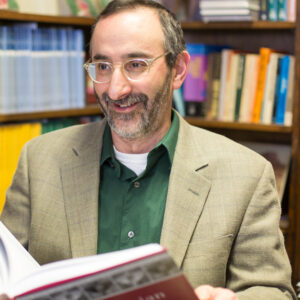
From Self-Interest to Self-Surrender: Confronting the Challenges of Prayer
Aug 31, 2020 By Benjamin D. Sommer | Public Event video | Video Lecture | Rosh Hashanah | Yom Kippur
Why do many modern Jews find tefillah so difficult? We’ll grapple with this question by exploring attitudes toward prayer among thinkers including Rambam and Heschel, and we’ll contrast assumptions about what makes for a genuine and meaningful prayer in Jewish tradition and in American culture. In particular, we’ll discuss our expectations of what happens when we pray and the possibilities that emerge when we don’t put ourselves at the center of the prayer experience. Along the way, we will touch on Thomas Aquinas, Quakerism, Thomas Merton and yoga, and the light they shed on traditional Jewish conceptions of prayer.
Read More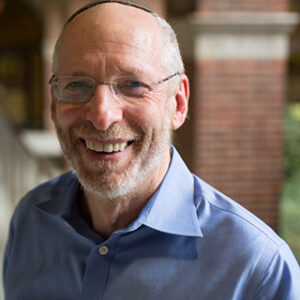
Seeking and Offering Forgiveness: What are We Doing and How Do We Do It?
Aug 24, 2020 By Eliezer B. Diamond z”l | Public Event video | Video Lecture | Rosh Hashanah | Yom Kippur
Forgiveness is at the heart of the High Holy Days season, yet it is far from clear what we mean by this term. Employing insights from rabbinic sources, mussar literature and psychology, we will think out loud about what we hope to achieve and how to achieve it as we seek forgiveness for ourselves and are asked to forgive others.
Read More
God of the Faithful, God of the Faithless: Belief and Doubt in Prayer
Aug 17, 2020 By Jan Uhrbach | Public Event video | Video Lecture | Rosh Hashanah | Yom Kippur
Do we need “faith” in order to pray? Can synagogue services be worthwhile and meaningful even if we’re not sure what we believe? We are hardly the first generation to struggle with contradictions among our intellectual beliefs, traditional Jewish liturgy, and the act of prayer. What do biblical and rabbinic texts about prayer, and the prayerbook itself, teach us about these conflicts, and how can they help us connect to prayer even in times of doubt or faithlessness?
Read More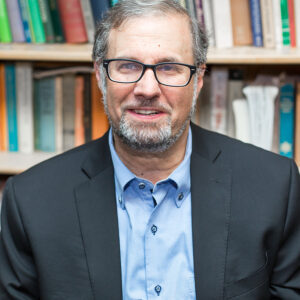
When Jews Made Fellow Jews ‘Other’: Hasidism and its Opponents
Mar 15, 2021 By David Fishman | Public Event video | Video Lecture
The Hasidim, followers of the Ba’al Shem Tov and his spiritual heirs, emerged in the 18th century with controversial ideas related to Jewish practice and belief. While Hasidim coexisted peacefully with non-Hasidim in many communities, the Mitnagdim (“opponents”) in many larger Jewish centers in Eastern Europe reacted to the Hasidim not only with condemnation, but with writs of excommunication and measures to persecute the members of the new movement. This internal Jewish religious strife led to the division of the community into rival “denominations” for the first time in nearly a thousand years. We will study the conflict between the Hasidim and Mitnagdim and reflect on how the core principles of the dispute continue to shape our Jewish lives and guide our homes and institutions.
Read More
From the Outside In:
How a History of Marginalization Affects Jewish Responses to Marginal Populations Today
May 10, 2021 By Daniel Nevins | Public Event video | Video Lecture
In the book of Numbers, the gentile prophet Balaam says that the people Israel are “a nation that dwells apart.” This has been both a blessing and a curse. How has the experience of marginalization defined Jewish identity? Join Rabbi Daniel Nevins to look at classical Jewish texts and then consider their implications for the role of Judaism in addressing marginalization in contemporary contexts.
Read More
Entering Our Mother’s House:
The Book of Ruth as a Model for Welcoming the Other
May 3, 2021 By Amy Kalmanofsky | Public Event video | Video Lecture
The book of Ruth tells the story of a Moabite woman who marries an Israelite man and ensures the future of the house of Israel. Join Dr. Amy Kalmanofsky to examine how this remarkable book understands the formation of identity and how it offers a model of inclusion that remains relevant and essential today.
Read More
Like It—Or Not? The Existential Tension of Similarity and Difference
Apr 26, 2021 By Jan Uhrbach | Public Event video | Video Lecture
Foundational Jewish texts point to a series of irresolvable dilemmas or polarities at the heart of the human condition, among them the way in which each of us is both like, and unlike, all others. How does this fundamental tension manifest in our personal relationships, our collective challenges, and our religious expressions, and what wisdom does our tradition offer to help us manage, and even grow from, our differences?
Read More
Nonhuman Others: The Jerusalem Talmud on Animal Ethics
Apr 19, 2021
When we think of others, we often think of human others—those different from ourselves. Yet we live in a world populated by a multitude of other animals that we interact with in a variety of roles such as companions, laborers, helpers, and food.
What does the Jewish tradition tell us about how we ought to treat and behave toward these animals that fill our world? Through a close reading of a narrative in the Jerusalem Talmud, we will uncover how one may use animals as workers, or for the sake of human needs, while also treating them as subjects, noticing and caring for their sufferings. This, according to the Talmud, is the ideal ethical stance for how to behave towards nonhumans.
Read More