
Metaphorically Speaking
Sep 14, 2018 By Amy Kalmanofsky | Commentary | Shabbat Shuvah | Yom Kippur
I am sometimes surprised at how literal liberal Jews can be. Many wonder whether they can refer to God as מחיה מתים, Restorer of Life to the Dead, if they do not believe there is life after death. Many wonder whether they should recite the blessing which praises God for choosing Israel from among the other nations, אשר בחר בנו מכל העמים, if they do not believe that God chose Israel.
Read More
The Blessing of Curses: A Rosh Hashanah Puzzle
Sep 20, 2017 By David Hoffman | Commentary | Ki Tavo | Shabbat Shuvah | Rosh Hashanah
Here’s a puzzle for us to think about as we consider the spiritual work that we need to engage in over the remaining days until Yom Kippur: The Talmud tells us—in the name of Rabbi Shimon ben Elazar—that Ezra the Scribe decreed that, for all time, the Jewish people would read the blessings and curses in Leviticus (Parashat Behukkotai) prior to the holiday of Shavuot and those of Deuteronomy (Parashat Ki Tavo) before Rosh Hashanah (BT Megillah 31b). This decree is strange. Reading these graphic and threatening chapters, which detail the good that will come if we are faithful to God and the suffering that will be wrought if we forsake our relationship with God, is difficult at any time. Why insist that we read them publicly as we ready ourselves to celebrate these joyous holidays?
Read More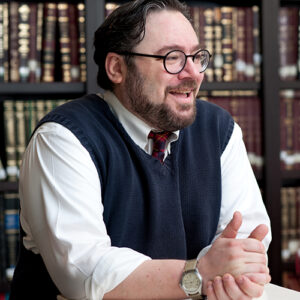
The Bluebird Inside Our Hearts
Oct 7, 2016 By Marcus Mordecai Schwartz | Commentary | Shabbat Shuvah | Yom Kippur
Read Morethere’s a bluebird in my heart that
wants to get out
but I’m too tough for him,
I say, stay in there, I’m not going
to let anybody see
you.

Dialogue with the Past
Oct 4, 2003 By Lewis Warshauer | Commentary | Ha'azinu | Shabbat Shuvah
Among all the societies where Jews have lived, America has been least conducive to maintaining a sense of the past. A building from thirty years ago can be a historic landmark; kitchenware from forty years ago qualifies as antique. Objects from the past are allowed to have a fashionable revival but ideas, stories, and concepts from the past are considered outmoded.
Psychotherapy as a Lens for Conceptualizing Teshuvah
Sep 26, 2009 By David Hoffman | Commentary | Shabbat Shuvah | Rosh Hashanah | Yom Kippur
I have always thought it interesting that Maimonides places so much emphasis on words in the process called teshuvah, even for transgressions not against other human beings. After quoting the verse from the Torah that speaks about the importance of confession (vidui) as part of the process for repairing a wrong enacted in the world (Num. 5:5–6), Maimonides emphasizes that this must be done with words. Teshuvah cannot be limited to an internal process of reflection. Maimonides stresses that any internal commitments must ultimately get expressed with words and counsels that the more one engages in verbal confession and elaborates on this subject, the more praiseworthy one is (Laws of Teshuvah 1:1).
Read More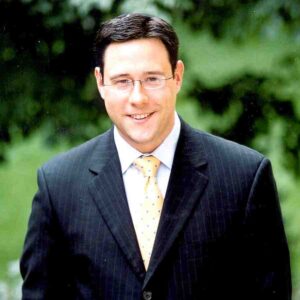
The Journey of Life
Oct 4, 2008 By Marc Wolf | Commentary | Shabbat Shuvah | Vayeilekh
There is so much fundamentally wrong with the world today. As Chancellor Eisen wrote in his High Holiday message this year, “On bad days, the problems seem utterly beyond managing. On good days, they call for a degree of judgment, sacrifice, and national unity seldom seen in our country or our world.” My fear is that we have actually become too accustomed to calamity; too proficient at responding to disaster.
Read More
The Poetry of Forgiveness
Sep 30, 2006 By Stephen P. Garfinkel | Commentary | Shabbat Shuvah
Poetry is the soul of religion.
Read More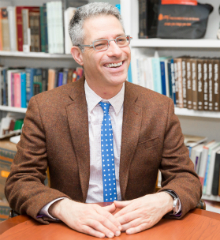
On This Very Day
Sep 26, 2014 By Joel Alter | Commentary | Ha'azinu | Shabbat Shuvah | Yom Kippur
It’s difficult to overstate the pathos of Moshe’s last days. This man (and he is most assuredly a man, not a god, not a saint), who never wanted to be a leader—and after his first, impulsive attempt at leading was met with contempt from those he tried to save and condemnation from Pharaoh, his adoptive father (Exod. 2:11–15)—carried the burdens of prophetic leadership with fierce loyalty to both of his masters, God and the people.
Read More