Time Capsule
By The Jewish Theological Seminary | Collected Resources | Rosh Hashanah | Yom Kippur
This page explores historical events through the lens of the JTS Torah commentaries that reflect a particular event or time. Starting in the 17th Century, sermons started reflecting not just concerns to the Jewish world, but those of the broader society in which Jews lived.[1] In looking back at the ways in which Jewish thought leaders engaged issues around 9/11, immigration, or COVID-19, consider how we continue to feel the impacts of these events and issues today and how our thinking has shifted.
Read More
High Holiday Reflections
By The Jewish Theological Seminary | Collected Resources | Shabbat Shuvah | Rosh Hashanah | Yom Kippur
Explore these sources from JTS Scholars, Students, and Alumni to enrich the Yamim Nora’im.
Read MoreRosh Hashanah Torah Readings
By The Jewish Theological Seminary | Collected Resources | Va'era | Vayera | Rosh Hashanah
Both of the Torah readings for Rosh Hashanah are taken from Parsha Vayera. The first day reading tracks the birth of Isaac, the exile of Hagar and the subsequent saving of Ishmael. The Akedah or Binding of Isaac is read on the second day.
Read More
JTS High Holiday Webinars 2022
Join JTS in preparing for this 5783 High Holiday season with two meaningful and enriching sessions.
Read More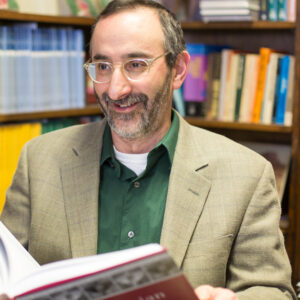
From Self-Interest to Self-Surrender: Confronting the Challenges of Prayer
Aug 31, 2020 By Benjamin D. Sommer | Public Event video | Video Lecture | Rosh Hashanah | Yom Kippur
Why do many modern Jews find tefillah so difficult? We’ll grapple with this question by exploring attitudes toward prayer among thinkers including Rambam and Heschel, and we’ll contrast assumptions about what makes for a genuine and meaningful prayer in Jewish tradition and in American culture. In particular, we’ll discuss our expectations of what happens when we pray and the possibilities that emerge when we don’t put ourselves at the center of the prayer experience. Along the way, we will touch on Thomas Aquinas, Quakerism, Thomas Merton and yoga, and the light they shed on traditional Jewish conceptions of prayer.
Read More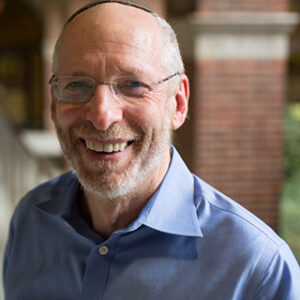
Seeking and Offering Forgiveness: What are We Doing and How Do We Do It?
Aug 24, 2020 By Eliezer B. Diamond z”l | Public Event video | Video Lecture | Rosh Hashanah | Yom Kippur
Forgiveness is at the heart of the High Holy Days season, yet it is far from clear what we mean by this term. Employing insights from rabbinic sources, mussar literature and psychology, we will think out loud about what we hope to achieve and how to achieve it as we seek forgiveness for ourselves and are asked to forgive others.
Read More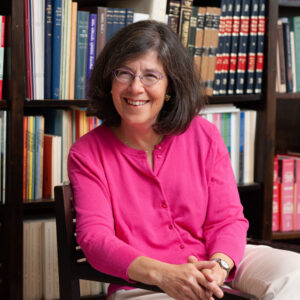
God of the Faithful, God of the Faithless: Belief and Doubt in Prayer
Aug 17, 2020 By Jan Uhrbach | Public Event video | Video Lecture | Rosh Hashanah | Yom Kippur
Do we need “faith” in order to pray? Can synagogue services be worthwhile and meaningful even if we’re not sure what we believe? We are hardly the first generation to struggle with contradictions among our intellectual beliefs, traditional Jewish liturgy, and the act of prayer. What do biblical and rabbinic texts about prayer, and the prayerbook itself, teach us about these conflicts, and how can they help us connect to prayer even in times of doubt or faithlessness?
Read More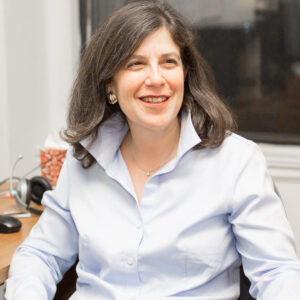
Choosing to Choose
Sep 3, 2021 By Jan Uhrbach | Commentary | Nitzavim | Rosh Hashanah
The rabbis taught that Rosh Hashanah commemorates the creation of the world, or by some accounts, the sixth day of creation, the day that humanity was created. Liturgically, the day is seen as more than just an anniversary. We pray “Hayom Harat Olam,” today the world is born, suggesting that the world, humanity, and each of us individually, are created “today,” every Rosh Hashanah.
Read More