
Freedom And Responsibility

Freedom And Responsibility

Mar 26, 2015 By Rachel Rosenthal | Short Video | Pesah

Read More
The Light of Passover

The Light of Passover

Mar 25, 2013 By David Hoffman | Commentary | Pesah

Why did the Rabbis use the word light when they intended darkness? The Hebrew word leila (לילה) would certainly have worked. Why did the Rabbis not say what they meant?

Read More
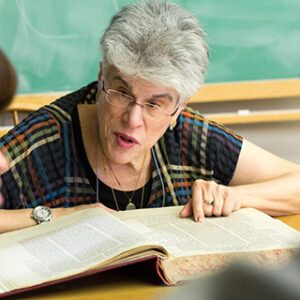

Reclining For Equality

Reclining For Equality

Mar 26, 2015 By Judith Hauptman | Short Video | Pesah

Read More
Does Judaism Oppose Slavery?

Does Judaism Oppose Slavery?

Mar 26, 2015 By David C. Kraemer | Short Video | Pesah

Read More
Elijah’s Cup: A Time For Family Reunion

Elijah’s Cup: A Time For Family Reunion

Apr 8, 2014 By Daniel Nevins | Short Video | Pesah

Read More

“This Year We Are Slaves”: How and Why Do We Celebrate Freedom in the Face of Oppression?

“This Year We Are Slaves”: How and Why Do We Celebrate Freedom in the Face of Oppression?

Apr 18, 2014 By Eliezer B. Diamond z”l | Commentary | Pesah

What does it mean to celebrate Passover in the shadow of death?

Read More
Preparing for Seder Part 3—Visual Midrash on the Four Children

Preparing for Seder Part 3—Visual Midrash on the Four Children

Apr 11, 2014 By Samuel Barth | Commentary | Pesah

The four children (formerly known as the four sons) are among the most provocative part of the seder—for children provoke their parents. That is why Elijah is needed to restore peace between the generations. The evolution of the text as we find it in our Haggadah is complex, and interesting explanations can be found in the recent JTS collection of Sound Bytes of Torah for Passover on YouTube. I have long been fascinated by the interpretation in imagery that offers four books, presumably each book representing one of the four “types” of child. But which one is which?

Read More
Elijah—Families and the End of Days

Elijah—Families and the End of Days

Mar 27, 2014 By Samuel Barth | Commentary | Pesah

Elijah is an enigmatic and beloved figure in the Passover seder, with a myriad of explanations for his appearance and role. It’s worth noting that Elijah appears first in our liturgical texts even before we sit down to begin the seder: the haftarah for Shabbat Hagadol (the Shabbat before Pesah) is from the end of Malachi, and concludes with the haunting words, “Behold, I will send you Elijah the Prophet before the coming of the great and awesome Day of Adonai; and he will return the hearts of parents to their children, and the hearts of children to their parents.”

Read More