Volunteer Data Form
Complete this form below for the Torah Fund office to have the latest information about our Torah Fund affiliate fundraisers.

Complete this form below for the Torah Fund office to have the latest information about our Torah Fund affiliate fundraisers.
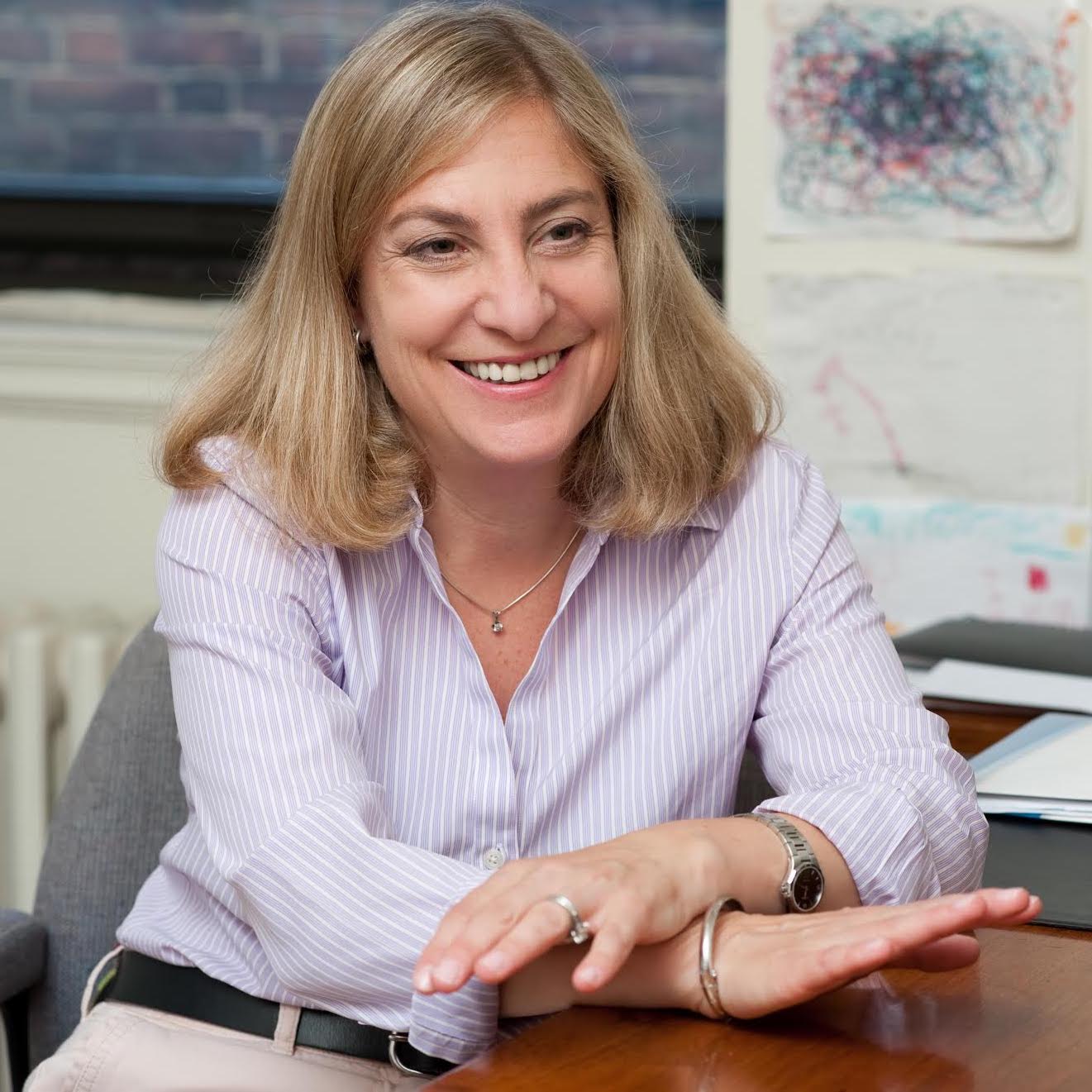
Dr. Meredith Katz
After implementing four previous versions of the Jewish Court of All Time (JCAT), a 10-week online simulation for Jewish middle school students, the organizers knew it was time to put race and racism on the pedagogic table. According to William Davidson School faculty member Dr. Meredith Katz, JCAT’s project director, “we really wanted to ask, how do students in Jewish day schools engage in conversation with those who are different from them, particularly around racial identity?” With generous funding from The Covenant Foundation, JCAT is moving towards its newest application in fall 2021.
“JCAT allows participants to try on another perspective, to engage with someone whose ideas are different,” said Katz. “While previous topics were provocative, we knew that engaging with a loaded topic like this would be especially challenging.” Through an educational platform that models active membership in a pluralist democracy from the unique context of the Jewish day school, JCAT seemed a good way to approach race and racism.
Originally developed by the Interactive Communications and Simulations group at the University of Michigan School of Education, JCAT invites students to take on the roles of diverse historical figures (Jewish and not) and interact with others around a current fictional “case,” such as Emma Lazarus deciding whether to establish a memorial to the St. Louis victims or Theodor Herzl weighing in on whether Israel should grant asylum to Sudanese refugees. Throughout the extended simulation, participants use an online platform to debate the case. Students research their characters and interact with each other anonymously across schools through a variety of channels on the website, culminating in a vote on the specific case. Currently 20 middle schools participate from across North America.
For the upcoming case, the project’s management team—including faculty from the University of Michigan, Towson University in Maryland, and The William Davidson School—considered a number of options related to Black-Jewish relations. They settled upon a debate over whether to remove the Confederate Memorial in Arlington National Cemetery. The actual monument was designed in 1910 by former Confederate soldier and sculptor Moses Jacob Ezekiel (a Southern Jew). Ezekiel’s descendants have been some of the more vocal advocates for removing the memorial.
When this new case is launched, students will have the chance to unpack various perspectives on the debate over removing Confederate memorials and explore these perspectives through the lens of their own emerging Jewish and multifaceted identities. “Part of an educator’s role,” said Katz, “is to help students figure out how to see themselves as members of multiple communities—Jewish, local, and national.”
“Role playing gives students an opportunity to both try on a personality different from their own and to practice the empathy required to hear other points of view,” said Katz. Through JCAT, educators also engage students in learning what Jewish tradition has to say about issues of difference, particularly race. “We teach students what it means to live in a pluralist, democratic country that will be a better place if we really engage with others who are different from us,” said Katz.
JCAT was originally envisioned to embed Jewish history more deeply in Jewish middle schools,
In framing this next JCAT case, a primary goal was for students to know more about Black-Jewish relations than what is usually taught about the civil rights movement, “more than just Heschel marching with Martin Luther King Jr.,” said Katz. “JCAT is about gaining a fuller picture of history, warts and all.”
The historical background is used to spur action in the present; Katz and her colleagues know that the program also fosters a sense of individual responsibility. “To participate meaningfully in a pluralist democracy, it is necessary to have the ability to accept the existence of multiple perspectives around an issue and to have the skills to respond productively with those with whom you disagree,” said Katz. “JCAT is a great laboratory for middle school students to practice these skills, and for me as a researcher to explore how it plays out, what kind of scaffolding is helpful, and how the conversations in JCAT can make their way into the real world.” In this sense, “every Jewish educator is also a social justice educator,” said Katz, a former high school social studies teacher.
Katz sees strong links between the applied practice of JCAT and her own research. With William Davidson School professor (and newly appointed JTS provost) Dr. Jeffrey Kress, Katz studied the history content of JCAT and explored what kinds of conversations students have while they are “in character.” Growing out the JCAT simulation on the St. Louis, she studied the messages Jewish middle school students articulate about the Holocaust to see whether they are particularly Jewish or more universal. “This relates to how they envision their roles as citizens of the Jewish community, the American community, and even the global community,” said Katz.
Katz is also working with JCAT colleague Rebecca Shargel to research how emerging teachers can develop their skills of facilitating challenging conversations in the classroom. “What happens when a middle school student character says something snarky, but in authentic character? When is it useful for the graduate student characters who participate in the simulations to provoke controversy themselves? How might these skills of facilitation translate outside of the simulation to in-person class discussion?”
The question of race and racism in Jewish education is at the core of research Katz is currently undertaking with Kress and Dr. Abigail Uhrman, another William Davidson School professor. With generous support from the Consortium for Applied Studies in Jewish Education (CASJE), they are interviewing Jewish day school professionals in 12 schools across the country to understand more about school experiences with race and racism. For Katz, this work is conceptually related to all the issues she explores through JCAT.
“In a sense,” said Katz, “this fall’s JCAT simulation is a part of that research effort.” As the JCAT team develops the scenario, they are considering how to collect data and what in particular the exercise might reveal.
Ultimately, Katz believes, providing opportunities for students and educators to engage in conversations with those from different perspectives is a hopeful step toward a more just world. “This work is actually quite sobering and feels both like a huge responsibility and a very small contribution to tikkun olam, bettering our very challenging world,” said Katz.
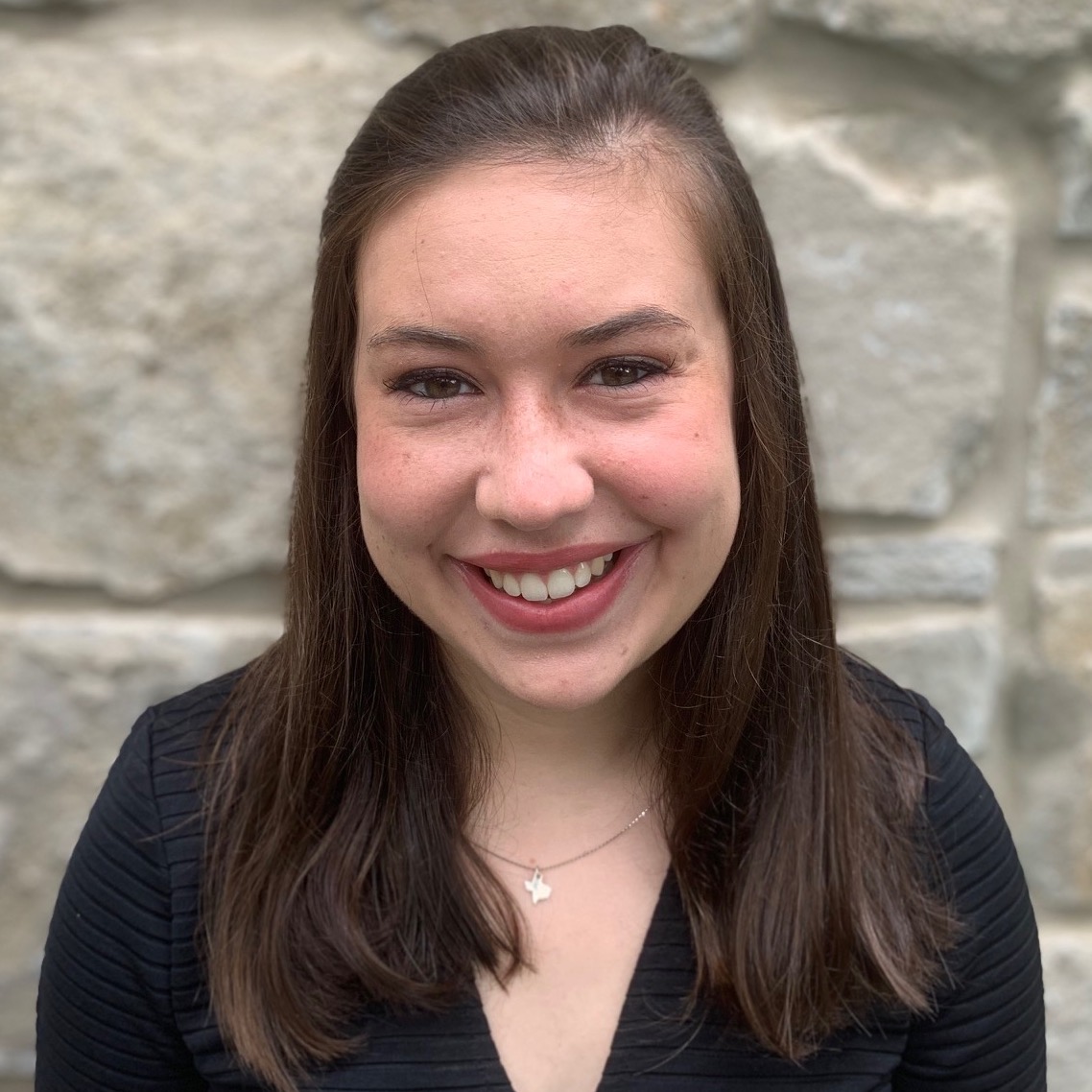
Orlea Miller
What happens when you are offered an alumni relations job at a school that is beloved by generations of graduates just after it decides to change its name? “You make sure to open up lines of communication,” said Orlea Miller, a 2019 William Davidson School MA graduate with a concentration in educational leadership.
Miller joined The Leffell School (formerly Solomon Schechter School of Westchester) as Community Engagement and Education associate in July 2019. “I knew I would have a lot of listening—and explaining—to do,” said Miller. She knew from the interview process and through friends who had attended the school that alumni cared deeply about the school. Helping alumni to understand the change in the school’s identity and to stay connected—or become involved for the first time—would be top on her to-do list.
“I consider myself a relationship-based educator,” said Miller. “I bring alumni into the life of the school. I talk to people about their Jewish journeys.” Miller recalled how in her William Davidson School class on social emotional development she learned the importance of the types of questions educators ask.
Some of the initiatives Miller has launched include a mentoring program that pairs younger alumni with more established graduates, a job board, and an innovative directory of where recent graduates are attending college, an incredibly helpful tool for juniors and seniors engaged in the college application and decision-making process.
With so many alumni—over 2000 both from when the school ended at 8th grade and from the past twenty years since it has included a high school—Miller spends a great deal of time learning what connects alumni to Leffell—even if it was called something else when they attended. As the school has changed and alumni themselves have grown up, Miller is a kind of human bridge. “With the name change and shift from being a Schechter school to a more pluralistic model, graduates are curious about what the change means and how they fit in,” said Miller.
The position that Miller holds is unusual in Jewish day schools. While she technically sits in the Office of Institutional Advancement, fundraising is not part of her portfolio. “Our alumni care about the school and have always felt pretty connected. Something happened while they were here that made them feel a kind of ownership of the school.” A K–8 day school graduate herself, Miller recognizes that this feeling of connection is special. Her position enables graduates to remain actively engaged with the school. 
Because Leffell considers its alumni such an important part of its community, graduates are included in frequent communication. Last spring, like many institutions, the school sent out a message in response to the George Floyd murder and subsequent Black Lives Matter demonstrations. Miller found her inbox filling with responses from alumni.
Some graduates wrote to express appreciation for the message, some took issue with it. A petition was created, and nearly 300 alumni signed on to share their concern, offering specific suggestions for how the school could work towards combating racism.
“What happened reveals just how much our alumni care about what happens at Leffell and just how much they feel connected to the school,” said Miller. “I believe that having been educated with the values of the school, our alumni were eager to engage with school leaders.”
Alumni were invited to a Town Hall style dialogue regarding the senseless murder of George Floyd and the nationwide outrage against racism and police brutality that has ensued. A week later, about 100 alumni participated in a respectful conversation that included listening and learning from each other, sharing information about how Leffell currently addressed these subjects with students, and thinking together about ways the school could play a stronger role in enacting the values it espouses.
Miller acknowledges that the weeks surrounding the message and the alumni petition were among her most challenging, especially against the backdrop of COVID. Subsequent to the June Town Hall, alumni have been invited to livestreamed high school programs such as one on “Race in America: Personal Stories and Perspectives” with Bishop Wilbert Preston and college student Chiamaka Odenigbo as well as a Yom Iyun for grades 8–12 on “Race, Identity, and Responsibility” with Dr. Terence Roberts, one of the Little Rock Nine, and George and Galit Price, a Jewish interracial couple who have worked at Leffell.
Miller’s self-perception as an educator was only deepened through this experience. “When our alumni spoke out about what they expected from and of Leffell, they stood in deep relation with the school,” said Miller. “My responsibility is to the alumni, to provide them the means to stay connected.” Just as the school customizes its anti-racism education to the developmental level appropriate to each grade or age, so has Miller included alumni in the broader educational process.
“When Leffell embraced its new name, the school knew that the change would permeate all segments of our community,” said Miller. “The same could be said about multi-cultural education and greater societal changes and movements.” Keeping lines of communication open, engaging with individuals in their personal education journey in a pluralistic setting—these are lessons she learned and practiced at Davidson, whether in her practicum in Jewish educational leadership or in midrash classes.
“Educators are trained to think, ask questions, and respond based on who the people are in the room,” said Miller. “I approach my work trying to understand where people are coming from and then determining how I can help build the community of learners.”
Read more about Orlea here:
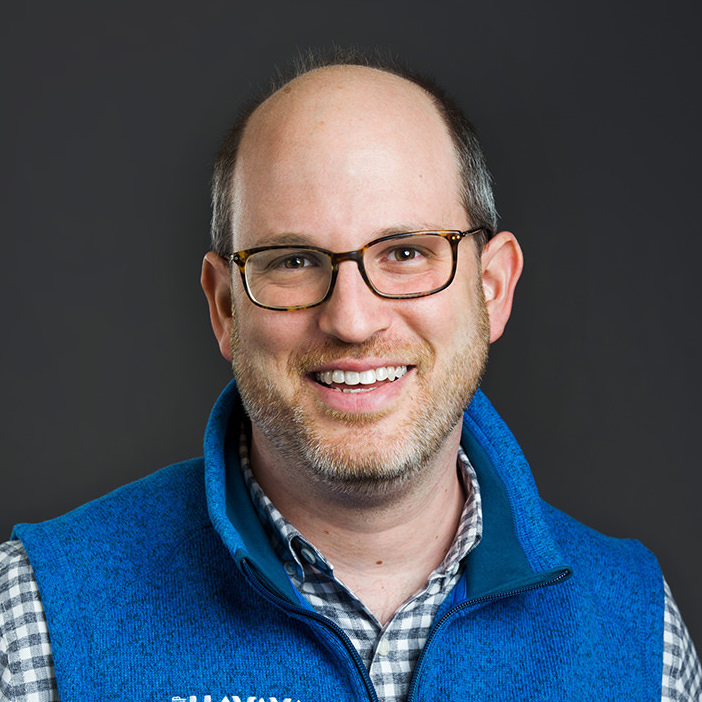
Rabbi Isaac Saposnik
It is hard to separate Rabbi Isaac Saposnik from the summer camp where he has worked for the past 19 years, Camp Havaya. Camp Havaya, established originally as Camp JRF, is an overnight camp where “everyone is celebrated for all the parts of who they are.” Multiculturalism and diversity are at the core of the experience for approximately 400 campers from all over.
Saposnik, originally from the Midwest, grew up in the Reconstructionist Movement and has been a lover of Jewish camp since his first summer at a Reform camp when he was in sixth grade. “I went to rabbinical school knowing that I wanted to be a camp director,” said the RRC graduate. “I did not know then that ‘diversity’ would be so central to my work, but I knew that I wanted to find ways for all kids to pull themselves up to the table of Judaism.”
Camp Havaya started with 39 kids on a rented property outside Chicago and now has its own property in the Poconos as well as an Israel program and, in pre-COVID-19 times, a summer arts program in California, all under Saposnik’s leadership as executive director. While Camp Havaya is officially the camp of the Reconstructionist Movement, many of its campers come from other movements or are unaffiliated with a specific denomination.
“How do we create a place where kids can be fully themselves?” asked Saposnik. “Kids have multiple parts of their identity, and we do not expect them to check any parts of themselves at the door. We are about being.”
The name of the camp, Havaya (with an ‘h’ sound at the beginning), literally means “being,” a reflection that Havaya is all about creating an environment where kids have the freedom to be who they truly are. The tagline of the camp is “Be you, boldly,” and their mascot, unapologetically, is Howie Bee, whose buzz reiterates the importance of Bee-longing, Bee-having, Bee-ing part of a community, and Bee-ing your best self. 
Campers and staff of different races, cultures, practices, abilities, sexual orientations, family structures, gender identities, and socio-economic backgrounds come to Camp Havaya year after year because they know they’re more than accepted; they are celebrated, said Saposnik.
This ideology informs everything at camp—from the hiring and training of staff to the diverse topics explored in experiential education programs and even the stories Saposnik tells on Friday nights.
A few summers ago, Saposnik and his team began recruiting staff members from the Ugandan Jewish community. “We heard the joy of children saying things like ‘Oh! I see a counselor who looks like me!’” recalled Saposnik. After a program on Uganda, a camper who had been adopted from Ethiopia asked if he could teach about Ethiopian food. The ripple effect of opening up room for campers to discover and be themselves enriched the experience for all, including Saposnik.
“Part of being a camp committed to diversity is being open to moments that you haven’t planned,” he recalled. Another “aha” moment happened when Havaya’s camp director questioned Saposnik about the stories he traditionally told the camp each Friday night.
“Usually I would tell a Yiddish folk tale, and the truth was that many of our campers have little or no connection to the Eastern European experience. It was probably time for me to think about telling some stories with more diversity.” The work of finding those other stories, says Saposnik, is “wonderfully exciting, challenging, and deeply important.”
Saposnik finds power both in being transparent and authentic about who he is, sharing his own background and story, and in being open to telling new stories and creating room for new connections. “As a cisgender, white, straight man I have to remind myself I that don’t know or understand everything.” While saying that felt strange at first, Saposnik has come to recognize that being willing to name his identity gives him the humility to help children form and embrace their own.
“The truth is that racial diversity is the norm for many campers in their everyday lives, but often not the case in their lived Jewish experiences,” said Saposnik. “We know all about how impactful camp can be for the formation of Jewish identity, and we know that for many, camp is an idealized environment that becomes a model for the communities our campers will build themselves. Diversity is part and parcel of what we do because it is part and parcel of the Jewish world.”
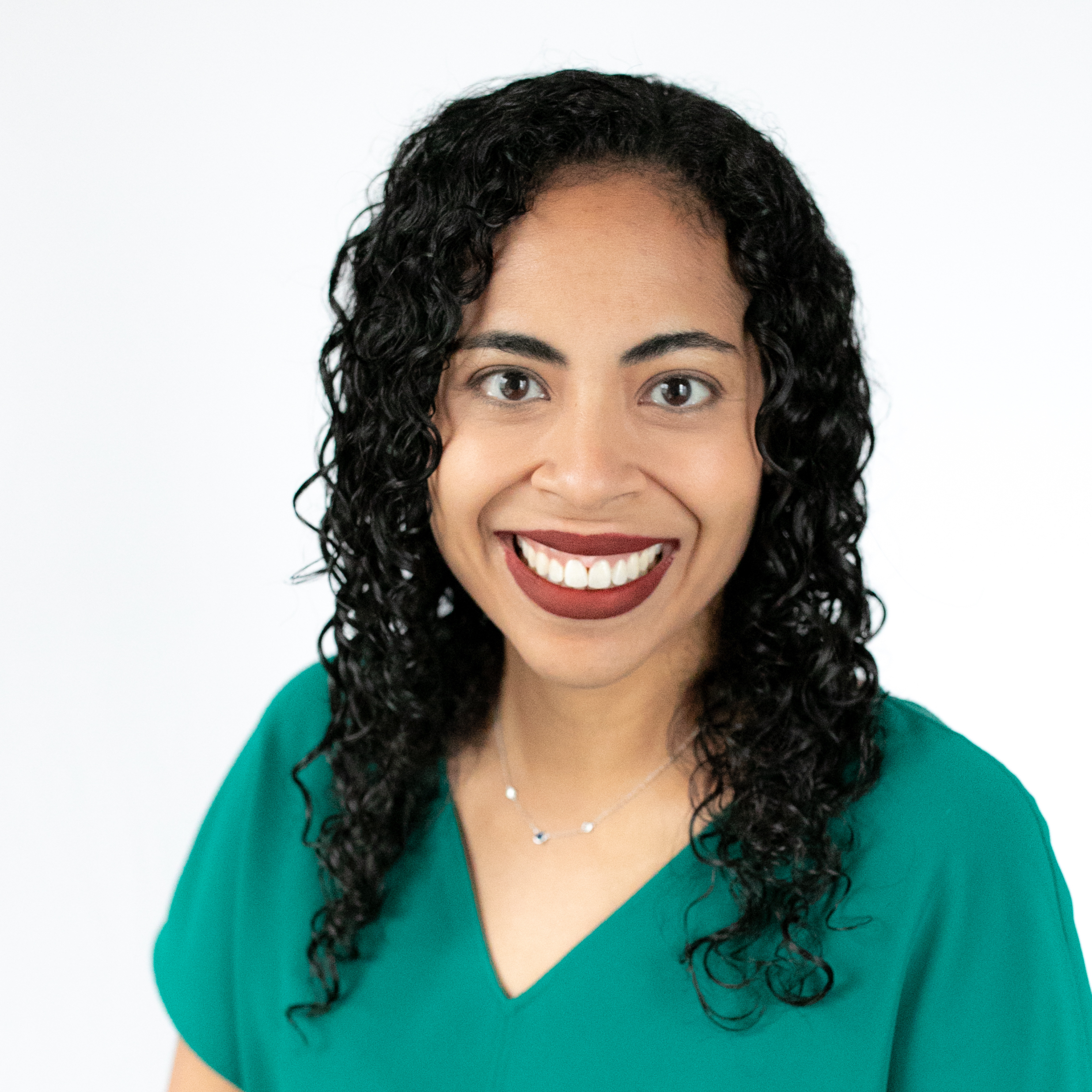
Yanira Quinones
When Yanira Quinones was growing up in one of the few Puerto Rican families in Riverdale, she used to spy on her next-door neighbors’ Shabbat dinners on warm Friday nights. The melody of Shalom Aleichem called to her, and when she heard the same tune decades later at a Kabbalat Shabbat service with her Jewish husband, she took it as a sign.
“I did not grow up Jewish, but I always had a Jewish soul,” Quinones said. Now the director of Education at Temple Beth Abraham in Tarrytown, New York, Quinones is a graduate of the William Davidson School MA program, with a concentration in educational leadership. She is passionate about helping her students discover their own unique story. “I have always questioned what I have been taught to believe, which to me is a very Jewish way of learning.”
Quinones initially resisted the pull to education—her father was an English as a Second Language teacher who became a public school principal—and then realized access to education was core to who she is. In high school and college she found internship opportunities at Bank Street College, working in the president’s office and teaching nursery school. In a quirk that could be considered bashert, the man she married also grew up in Riverdale and his mother was also a New York City school principal.
As a Jew of color, Quinones has found herself on the fringes for much of her life, and this deeply informs her work. In the 1980s children with learning differences received segregated education in New York, so, diagnosed with dyslexia, she found herself across the Bronx in a whole different world, feeling marginalized on multiple levels. “No one from my neighborhood was on my school bus. Schools really struggled with kids who had different learning needs. We were all lumped together in one classroom. I really felt like I did not belong.”
It wasn’t until Quinones was an adult that she recognized the many “bruises” she bore from not belonging were a result of racism and microaggression. “I knew it was a problem that I felt like an outsider, but I did not know there was a name for this.”
Raising three children with her husband, an historian, Quinones had already converted by her late twenties—what she calls “coming home to Judaism.” Family genealogical research has revealed ancestry from the Lau family in Germany, and family lore includes extensive “spring cleaning” with special tableware. Like many Hispanic families, Quinones believes she is not many generations removed from the “converso” experience. “We know what the history says about so many Jews in Spain converting to Catholicism, and we know my family has roots in Spain, so it is not that great a stretch of the imagination,” said Quinones.
Living in Westchester and raising her family, she enjoyed a warm relationship with their synagogue rabbi and his family and sought out his advice as she considered her future career. He encouraged Quinones to look into graduate work at JTS, which was just launching a program in Jewish ethics.
When she visited the JTS campus for the first time, Quinones remembers a deep feeling of connection to the past and to all who had walked the courtyard and halls of the institution. It was at a meeting with an administrator that Quinones realized that Davidson was the perfect fit. She could deepen her own Jewish knowledge and prepare for a career where she could open the doors to Jewish education and create learning spaces that would be safe and welcoming.
“The first question people usually ask me is if I am Israeli,” said Quinones. “Then they immediately ask me about my conversion. These are not the questions that create a safe environment for developing positive relationships, never mind learning.”
In her classes, Quinones found herself working through a lot of personal pain. “I knew that I had to listen to what was triggering my reactions and start unpacking how I have been raised in a bubble of racism.” Quinones studied multicultural early childhood pedagogies with Dr. Ofra Backenroth, and in Dr. Shira Epstein’s class Multicultural Pedagogies and Jewish Education, she had the chance to write about her personal perspectives in a new way. These opportunities helped her find her unique professional identity.
Having become “woke” to issues of microaggression, systemic racism, and oppression, in general society and in the Jewish world, Quinones felt driven to be an educator who recognizes the uniqueness and value of each individual learner. She has come to realize just how important diversity is in the Jewish educational setting.
“For too many Jews of color, doors have been too often closed to Jewish education. And within many Jewish educational settings, diversity is only a topic for Black History month,” said Quinones.
Quinones taught for five years at Temple Beth Abraham before becoming education director two years ago. The first thing she did in her senior position was to hang two posters outside her office, one produced by Be’chol Lashon proclaiming “Jews Come From All Over” and the other a collection of portraits of Jewish women of color leaders put together as part of a Purim campaign by Jewish Multiracial Network, Jewish Women’s Archive, and Repair the World. “I want my students—anyone in our school—to see themselves, no matter what color their skin, to discover their own unique story,” says Quinones. Even the most “vanilla Ashkenazi young person” as one of her students self-identified, has a powerful, unique identity to unpack.
Recently, Quinones created a video for URJ about the Passover Haggadah that spotlighted diversity. She heard one child—who was adopted as an infant—react with surprise. “She said ‘I didn’t know there were more of me,’ she just did not know she had been carrying a sense of being out of place.”
From a little girl who grew up feeling out of place just about everywhere, Quinones has become a woman who makes it possible for Jews of all backgrounds to feel at home. She widens doors and makes space for individuals to discover their own stories. The Shalom Aleichem words she overheard in the backyard years ago have become her own spiritual anthem, as she greets all who enter her school with words of peace and welcome.
The Office of Alumni Affairs expresses it appreciation to our alumni who have led William Davidson School sessions and supported our recruitment efforts, including these events:
Mazal tov to our alumni on the following professional achievements:
Maxine Berman recently accepted a teaching position at the Abraham Joshua Heschel High School, NY.
Sara Beth Berman recently became the senior education consultant for Innovation and Inclusion at The Jewish Education Project.
Wilhelmina Roepke Gottschalk is now serving as the Interim Education Director at Ohr Kodesh Congregation in Chevy Chase, MD. Prior to this, Wilhelmina spent four years as the pedagogical coordinator of the Ohr Kodesh Early Childhood Center.
Ben Greenberg recently became the director of communities of Limmud North America.
Marshall Lesack will be the next head of school at Jack M. Barrack Hebrew Academy.
Daniel Novick will become the next executive director of the George Mason University Hillel.
Miles Roger recently became the director of education at Temple B’nai Shalom, Fairfax Station, VA.
Mirit Sands recently became the camp life director at Ramah in the Rockies.
Anna Serviansky recently became the camp director and head of education at Ramah Darom.
Terri Soifer recently returned to JTS as a major gifts director.
Stay in touch and share your professional news (promotions, new positions, publications) with Melissa Friedman at mefriedman@jtsa.edu.
Lorem ipsum dolor sit amet, consectetur adipiscing elit, sed do eiusmod tempor incididunt ut labore et dolore magna aliqua. Ut enim ad minim veniam, quis nostrud exercitation ullamco laboris nisi ut aliquip ex ea commodo consequat. Duis aute irure dolor in reprehenderit in voluptate velit esse cillum dolore eu fugiat nulla pariatur. Excepteur sint occaecat cupidatat non proident, sunt in culpa qui officia deserunt mollit anim id est laborum.
JTS’s two-year Context program is an intellectual journey that fosters a sense of being at home in Jewish culture, religion, text, and civilization.
SHARE THIS PAGE