
Indigenous Leadership and Ecological Responsibility
Drawing on the Center for Earth Ethics’ Freedom to Be: Dialogues on Freedom of Religion or Belief for Indigenous Peoples, this session built a foundation for understanding Indigenous identity, spirituality, and relationships to land. Roberto Múkaro Borrero and Rabbi Stephanie Ruskay explored where religious communities have shown up—and where they have not—and invite participants to consider how faith communities can engage Indigenous communities with greater responsibility, solidarity, and advocacy.
About the Speakers

Roberto Múkaro Borrero (he/him) has a distinguished and diverse background in policy & program development, the arts, and human rights advocacy, including a specialization on the rights of Indigenous Peoples. He retains over 25 years of experience actively engaging the United Nations system in thematic areas such as Sustainable Development and Climate Change, among others. He has served on the staff of the International Indian Treaty Council and the American Museum of Natural History, as well as an independent contracting consultant for UNESCO, UNDP, UN Permanent Forum on Indigenous Issues, PBS, and other notable institutions. A published writer, an accomplished artist, and musician, Borrero is a citizen of the Guainía Taíno Tribe of Borikén and the Virgin Islands. In 2012, he was traditionally sanctioned a kasike (chief) of the Guainía Taíno Tribe.
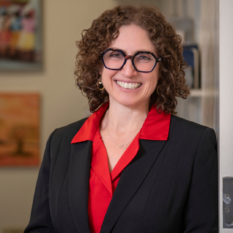
Rabbi Stephanie Ruskay is associate dean of The Rabbinical School and executive director of The JTS Hendel Center for Ethics and Justice. She has made her career in the Jewish social justice sector, having served in leadership positions at American Jewish World Service, Auburn Theological Seminary, AVODAH: The Jewish Service Corps, and JOIN for Justice. Rabbi Ruskay is an alumna of JTS’s Joint Program, The Davidson School and The Rabbinical School. She directs field education and entrepreneurial endeavors and is focused on raising the scope and profile of social justice work and community organizing skills in the role of the contemporary rabbi. Rabbi Ruskay is a member of the social justice commission of the Rabbinical Assembly and of its Joint Placement Commission.
About the Series
Across Jewish, Christian, Muslim, and Hindu traditions, spring is a season of reflection, renewal, and ethical commitment. Grounded in holidays from Tu Bishvat and Lent to Ramadan, Holi, and Passover, this interreligious series explores responsibility, repair, and leadership in the face of urgent ecological challenges. Together, participants consider how religious wisdom can inspire ethical action and collective hope.


