What Does Prayer Accomplish?
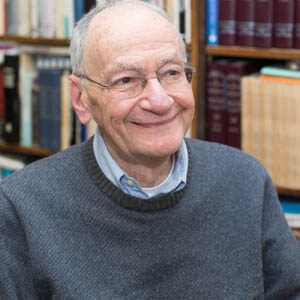
Nov 13, 1999 By Ismar Schorsch | Commentary | Toledot
What does prayer accomplish? How often have we prayed to no avail for the recovery of someone we loved dearly? I offer a personal experience as a partial answer.
Read More
Two Brothers, Two Candidates
Dec 2, 2000 By Joshua Heller | Commentary | Toledot | Purim
This week’s parashah, Tol’dot, tells the story the story of Isaac and Rebecca’s twin sons, Esau and Jacob. Esau is born with a slight advantage of age, with Jacob born close at his heels. The two brothers vie, each with measures of bluster and guile and with the support of a favoring authority figure, for the birthright and the destiny of a nation. This story has been played out more than once in history- most recently between two candidates in our own day.
Read More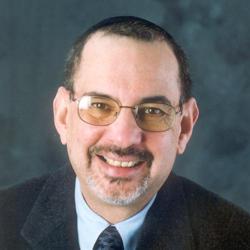
Teaching Our Jacobs and Esaus
Nov 9, 2002 By Steven Brown | Commentary | Toledot
Recounting the gestation, birth and maturation of the Bible’s most famous twins, Esau and Jacob, reminds me of a wonderful PBS film entitled, “How Difficult Can It Be? The F.A.T. City Workshop.” F.A.T. stands for Frustration, Anxiety, Tension. Through a series of simulations and exercises, Richard D. Lavoie, a gifted special education teacher, turns a group of highly accomplished adults into learning disabled students in a matter of minutes. He reminds us that children with learning differences or disabilities experience them not only in school, but twenty-four hours a day, seven days a week, leading to daily frustration, anxiety and tension in their everyday lives. During a poignant moment in the film, Lavoie comments that fairness is not treating everyone the same, it’s giving everyone what she or he needs.
Read More
Drinking the Waters of Torah
Nov 13, 2004 By Ismar Schorsch | Commentary | Toledot
In rabbinic parlance, water stands for Torah.
Read More
A Dialogue Across the Ages
Nov 29, 2003 By Ismar Schorsch | Commentary | Toledot
Like his father Abraham, Isaac is driven by famine to take refuge in the city of Gerar, in the western Negev northwest of Be’er Sheva. The abundance of water for their large herds is what spurs them to relocate, and it is over water that both of the patriarchs contend with the locals. In the first instance, Abraham accuses the ruler of Gerar, Abimelech, that servants of the latter stripped him of a well that he had dug. Abimelech professes to be ignorant of the theft and willing to make amends; whereupon he and Abraham strike a pact. A gift of seven ewes by Abraham will serve to legally establish his claim of ownership of the well. Indeed, according to the biblical account, the pact gives rise to the name of Be’er Sheva, “the well of seven.” At the time, the dominion of Gerar must have stretched eastward to Be’er Sheva, which appears to have had no ruler of its own (21:22-32).
Read More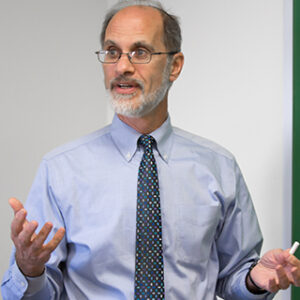
Food’s Symbolic Burden
Dec 3, 2005 By David C. Kraemer | Commentary | Toledot
It has often been noted — and properly so — that Parashat Toledot is framed by two stories of deceit and dishonesty.
Read More
The Challenges and Joys of Parenting
Nov 25, 2006 By Steven Brown | Commentary | Toledot
Parshat Toledot is the epitome of the challenges, struggles, ambivalences, and joys of parenting.
Read More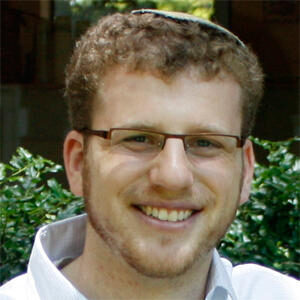
Torah As Water
Nov 26, 2011 By Charlie Schwartz | Commentary | Text Study | Toledot
The metaphor of Torah as water has always resonated with me. With Torah as water, the idea of learning, engaging with, and living through our sacred texts comes into focus. Just as we cannot live for long without water, so too will our lives become desiccated and empty without the study of Torah.
Read More