
Jewish Thanksgiving: Gratitude, Freedom, and Fusion at the Table Written
Posted on Nov 20, 2025
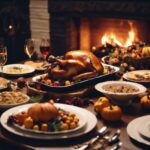
Each November, Jewish families across America gather around tables filled with familiar aromas—roast turkey, sweet potatoes, and the warmth of shared gratitude. But for many, Thanksgiving takes on a deeper dimension, blending American and Jewish traditions into a celebration that honors both heritage and faith.
A Shared Spirit of Gratitude
At its heart, Thanksgiving is about gratitude—a value deeply embedded in Jewish life and tradition. The Hebrew term hakarat hatov, meaning “recognizing the good,” captures this spirit perfectly. In Jewish thought, expressing thanks isn’t confined to a single day of the year; it is a daily practice woven into blessings, prayers, and acts of kindness.
Before a meal, Jews recite blessings over food. Afterward, they say Birkat HaMazon, the Grace After Meals, thanking God for sustenance and abundance. On Thanksgiving, these timeless rituals align seamlessly with the national holiday’s focus on appreciation for freedom, family, and plenty.
Historical Parallels: Sukkot and Thanksgiving
Many scholars and rabbis have noted that Thanksgiving’s origins echo the ancient Jewish festival of Sukkot. Known as the Festival of Booths, Sukkot is a harvest holiday that celebrates nature’s bounty and divine protection. Pilgrims, some historians suggest, may have drawn inspiration from biblical harvest festivals like Sukkot when shaping their own day of thanks.
Both holidays center on gratitude for survival, sustenance, and the ability to live freely—ideals shared across cultures and centuries.
Thanksgivukkah: When Holidays Collide
In 2013, something extraordinary happened: Thanksgiving and Hanukkah coincided for the first time in modern history, an event affectionately dubbed “Thanksgivukkah.” Jewish families across the country embraced the rare overlap with creativity and humor — lighting menorahs beside turkey centerpieces, serving cranberry-applesauce with latkes, and baking pumpkin challah.
The combination was more than culinary fun, it was symbolic. Both holidays celebrate the triumph of faith and freedom — Hanukkah marking the victory of the Maccabees over oppression, and Thanksgiving commemorating religious liberty and gratitude in a new land.
Modern Traditions and Jewish Touches
Today, many Jewish households infuse their Thanksgiving celebrations with elements of their heritage:
- Kosher turkey and challah stuffing replace traditional fare.
- Tzimmes (a sweet carrot and dried-fruit stew) or kugel grace the side dishes.
- Families recite the Shehecheyanu blessing—thanking God for reaching this special moment.
- Some add a d’var Torah (short reflection) on gratitude before the meal, connecting biblical teachings to modern thankfulness.
These simple additions transform a national holiday into a deeply personal and spiritual experience.
A Day for Reflection and Renewal
In an age of abundance and distraction, Jewish Thanksgiving offers an opportunity to slow down and reflect. Gratitude becomes not just an emotion but a practice—one that bridges faith, culture, and community. Whether through prayer, acts of tzedakah (charity), or simply sharing a heartfelt “thank you,” the day reminds us to see the blessings that surround us.
As the candles flicker and the table fills with the laughter of generations, Jewish Thanksgiving becomes more than a meal. It is a moment of connection—to history, to heritage, and to the enduring belief that gratitude itself is a sacred act.
Happy Thanksgiving everyone!


