
MFA in Creative Writing
Low-Residency Two-Year Program
Inspired by the rich tradition of Jewish storytelling, this MFA welcomes writers who have a story to tell and want the opportunity to work with cutting-edge contemporary writers and artists in an environment that offers the freedom to create fiction, poetry, performance, non-fiction, songs, or work that lives in between.

Etgar Keret, MFA Director
Etgar Keret is one of the foremost writers of contemporary Israeli literature. His books have been published in some fifty languages and won numerous awards. In addition to being an internationally acclaimed virtuoso of the short story, Etgar explores a variety of storytelling techniques, including plays, screenplays, songs, animated and live-action films, comic books and choreography. Etgar is an Associate Professor at Ben-Gurion University of the Negev. He is excited to guide the JTS MFA program’s vision and mentor emerging storytellers.
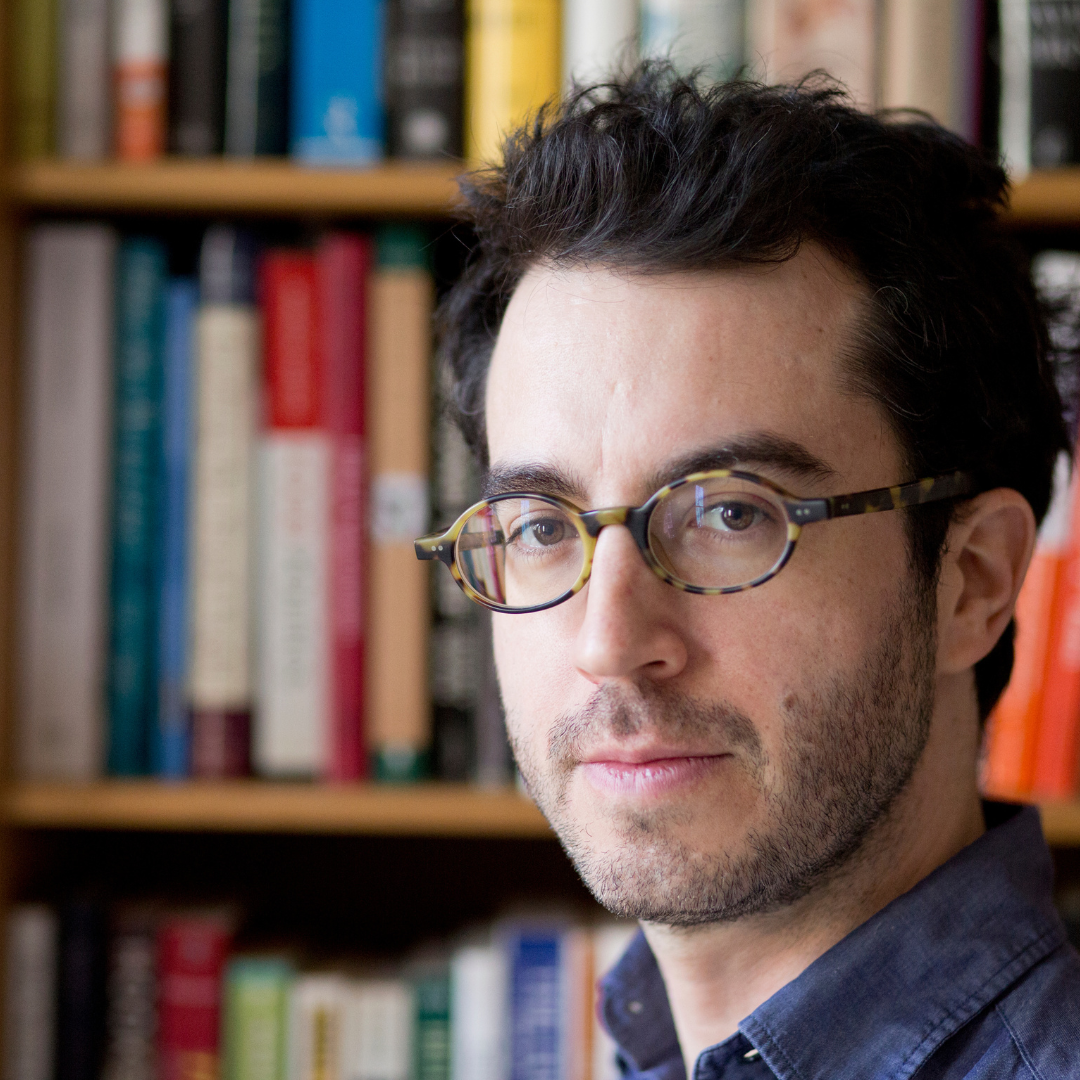
Jonathan Safran Foer, Founding Creative Advisor
Jonathan Safran Foer is the author of three novels (Everything is Illuminated, Extremely Loud and Incredibly Close, and Here I Am), as well as two works of non-fiction (Eating Animals and We Are the Weather) and several collaborative books with visual artists. His work has won numerous awards and been translated into more than 40 languages. He teaches creative writing at NYU.
In a special launch event titled “A Vision for Storytelling,” Jonathan Safran Foer interviewed Etgar Keret—see the recording here.
Core Teaching Faculty
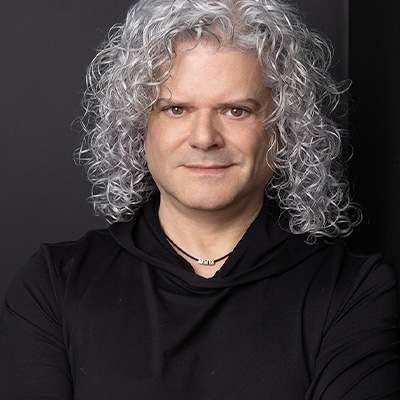
Shalom Auslander
Shalom Auslander is an internationally-acclaimed writer of fiction, non-fiction, stage, TV and film. His memoir Foreskin’s Lament was an international bestseller, his novel Hope: A Tragedy was a finalist for the James Thurber Award and his recent Feh was a finalist for the National Jewish Book Award. He is the creator and writer of Showtime’s Happyish, and a long-time contributor to NPR’s This American Life. He has published fiction and essays in The New Yorker, The New York Times, Esquire, and GQ, among many others.
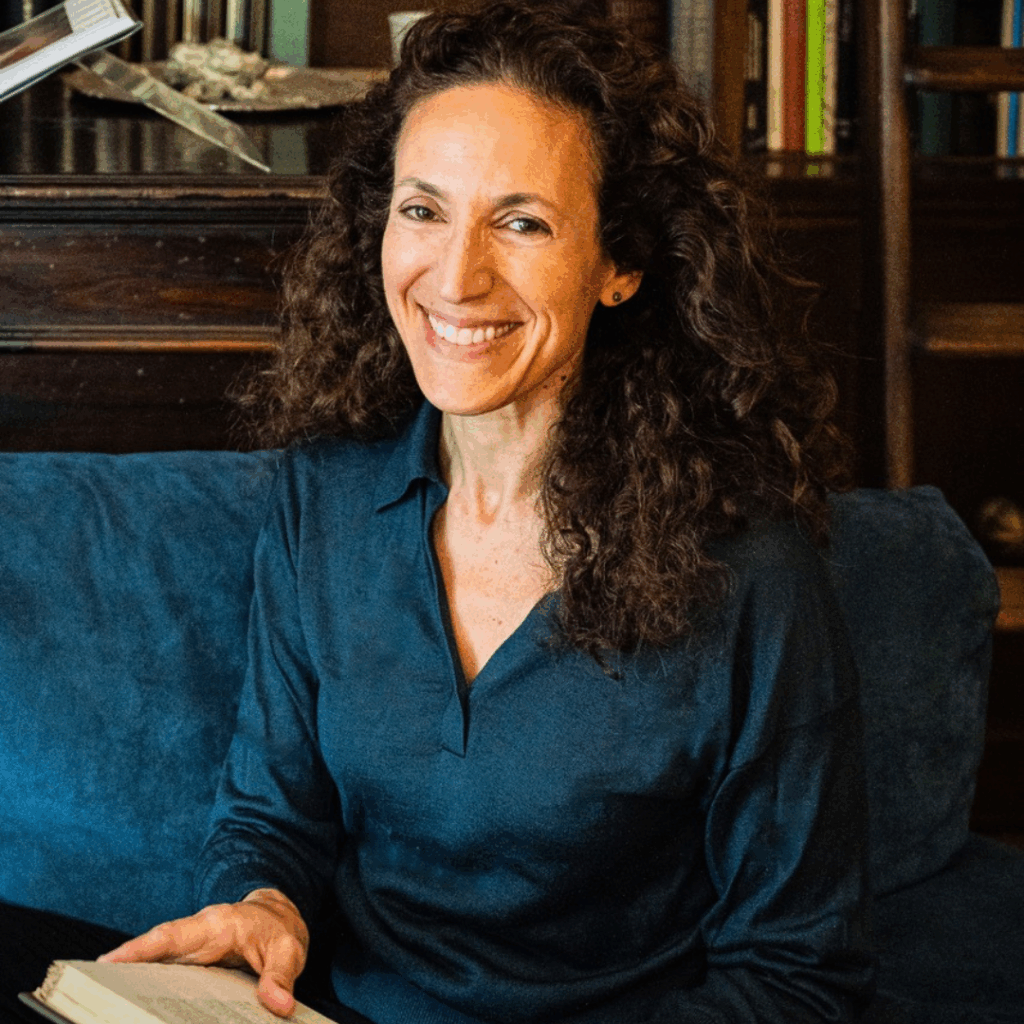
Rachel Kadish
Rachel Kadish is an award-winning fiction writer and essayist. Her work has been read on National Public Radio and has appeared in The New York Times, Paris Review, and Ploughshares; her most recent novel, The Weight of Ink, was a U.S.A. Today bestseller and recipient of a National Jewish Book Award. She has been a fellow of the National Endowment for the Arts, Radcliffe’s Bunting Institute, the Bellagio Center, and the Bogliasco Foundation, a Koret writer-in-residence at Stanford University, and a Fordham Jewish Studies Fellow at the New York Public Library.
Faculty Mentors
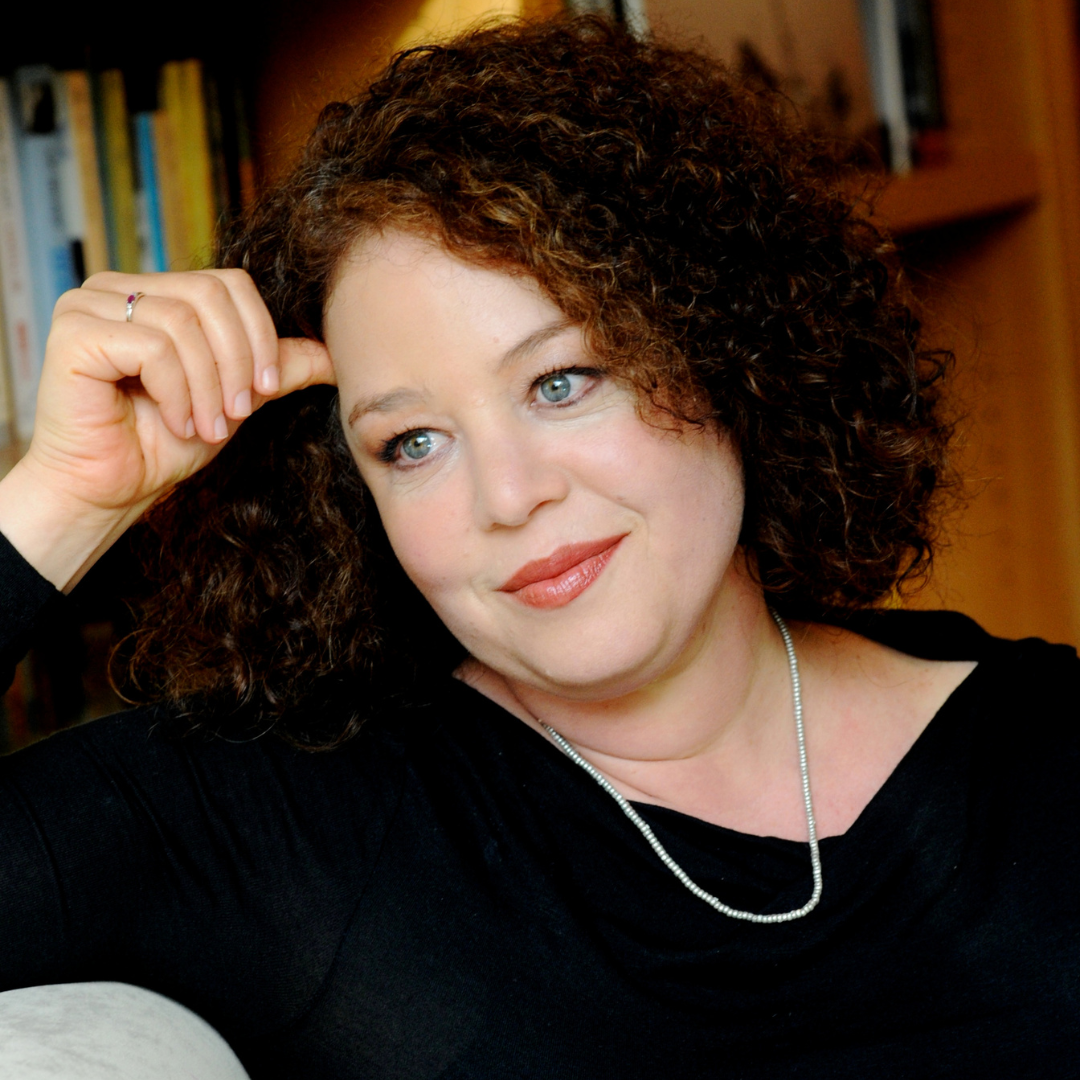
Maya Arad
Maya Arad is the author of twelve books of Hebrew fiction, as well as studies in literary criticism and linguistics. A graduate of Tel Aviv University, she received a Ph.D. in linguistics from University College London and for the past twenty years has lived in California, where she is the Writer-in-Residence at Stanford University’s Taube Center for Jewish Studies. The Hebrew Teacher, her first book to appear in English (translated by Jessica Cohen), has won the National Jewish Book Award. Her second book, Happy New Years, came out in 2025 (also translated by Cohen).
Headshot by Mira Mamon
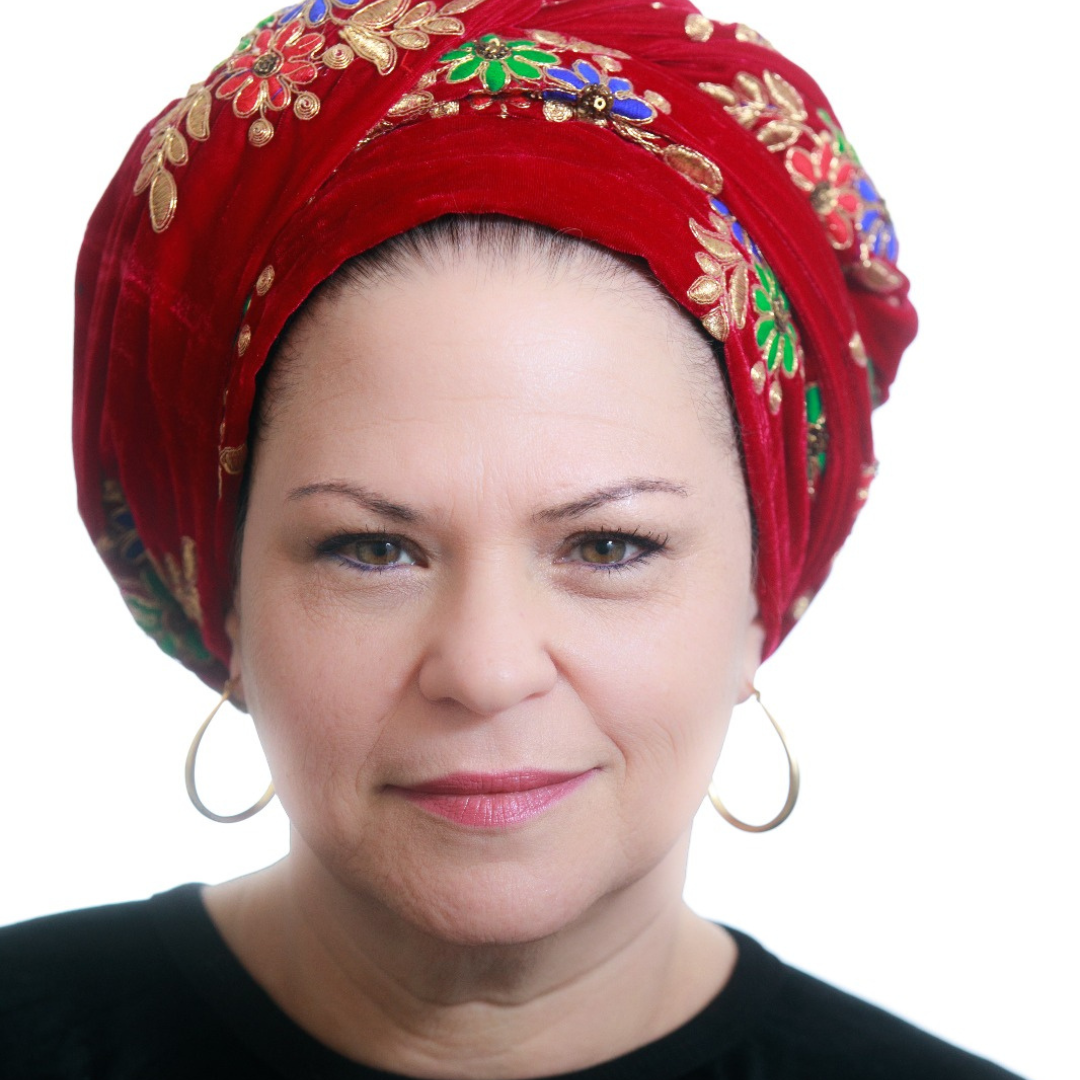
Rama Burshtein
Rama Burshtein is an award-winning director and writer. She wrote and directed Fill the Void, which premiered at Venice Film Festival, earning the Volpi Cup for Best Actress, and won seven Israeli Academy Awards. Her film The Wedding Plan premiered at Venice and Telluride film festivals and won three Israeli Academy Awards. Burshtein also wrote and directed the TV series Fire Dance, which premiered at the Series Mania festival. Over the years, Burshtein has led workshops and lectures that combine inner emotional work with writing and acting, guided by the saying, “What comes from the heart reaches the heart,” which shapes her work and her connection with the audience
Headshot by Gideon Sharon
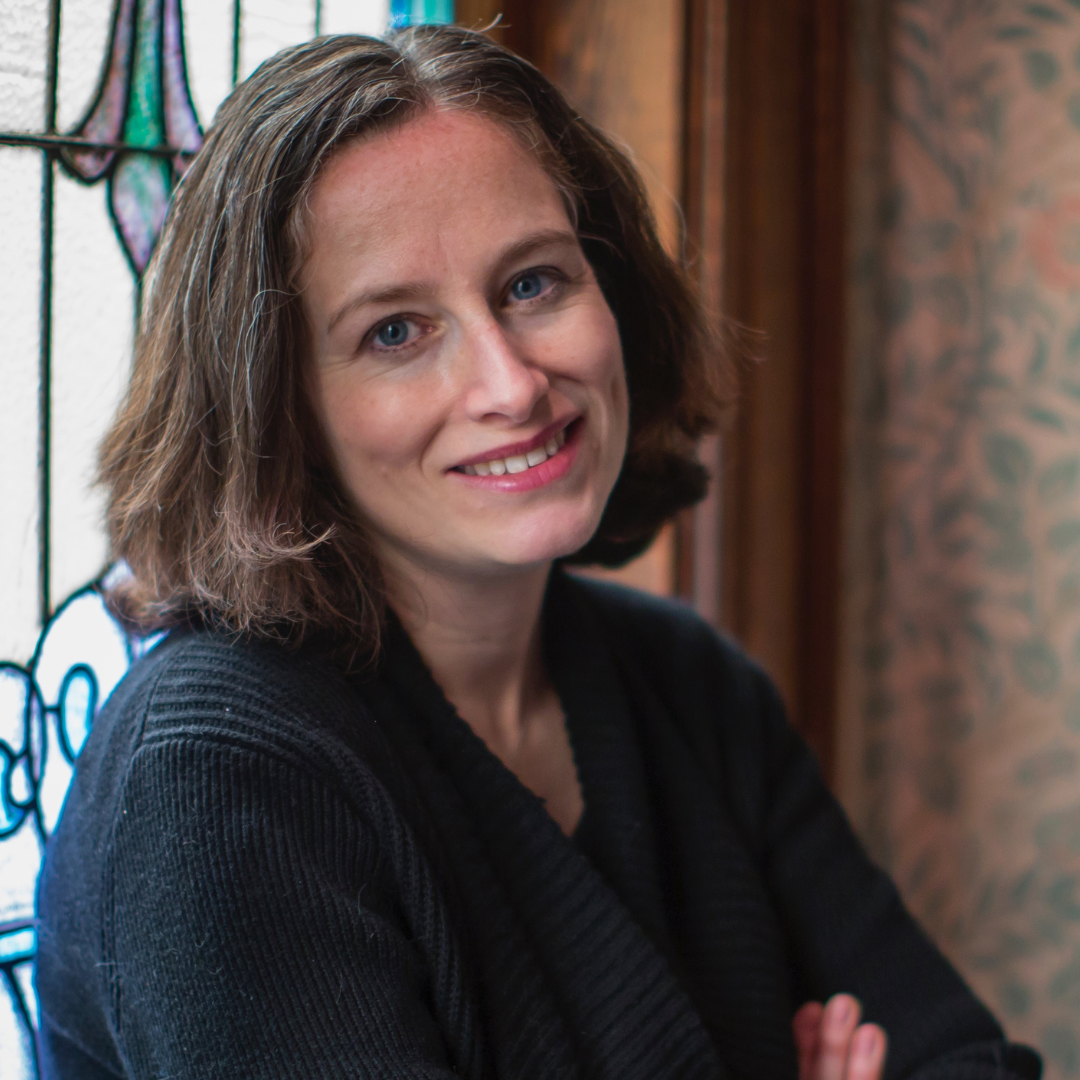
Ruth Franklin
Ruth Franklin is a literary critic, biographer, and essayist whose work has appeared in many publications, including the New Yorker, the New York Times Magazine, the New York Review of Books, and Harper’s. She is the author of A Thousand Darknesses, a study of Holocaust representation; Shirley Jackson: A Rather Haunted Life, winner of the National Book Critics Circle for Biography; and The Many Lives of Anne Frank, which examines the life, afterlife, and cultural meaning of Anne Frank and her diary. The recipient of fellowships from the Guggenheim Foundation, the Cullman Center for Writers and Scholars, and the National Institute for the Humanities, she is at work on a new project about the political controversies around Mark Twain’s Adventures of Huckleberry Finn.
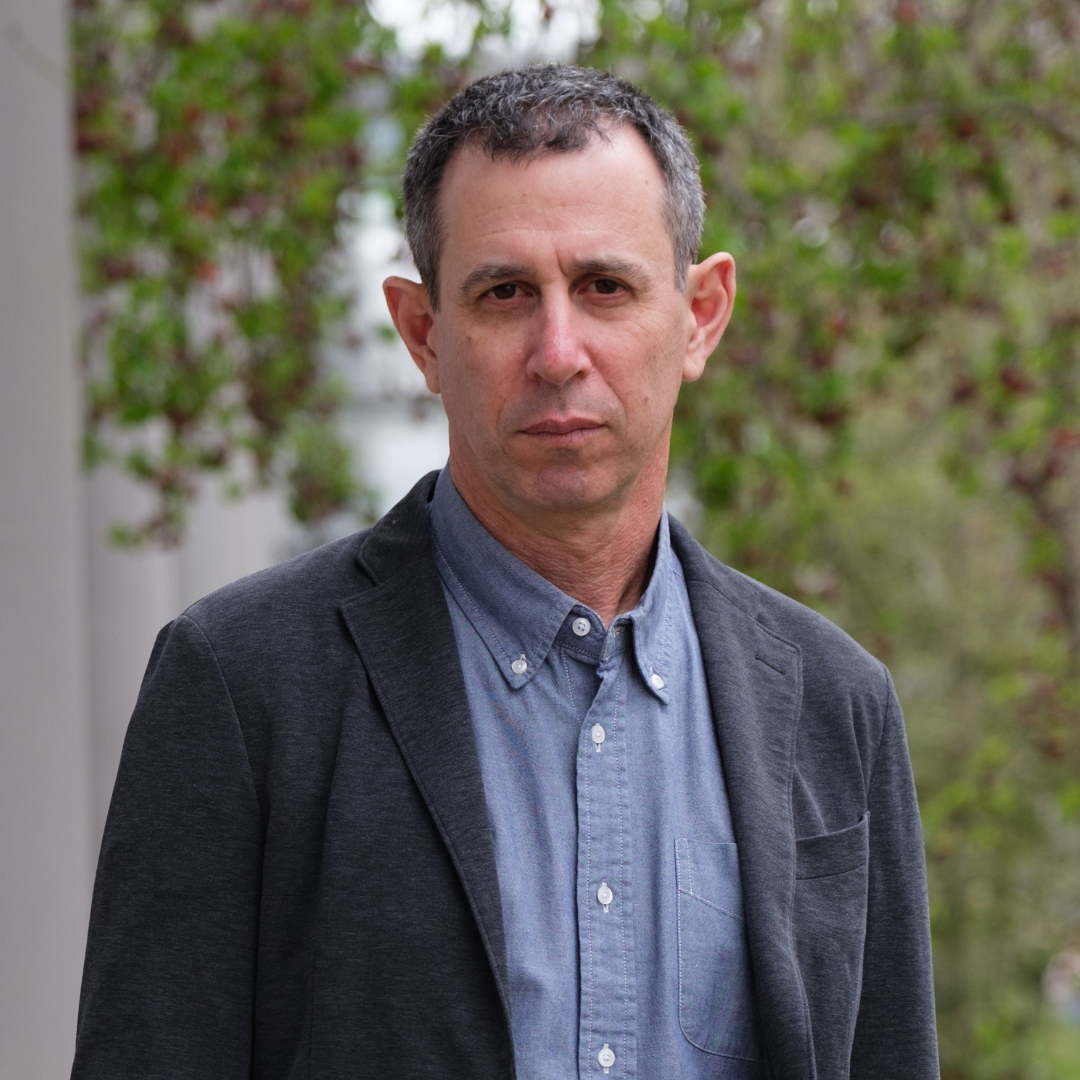
Assaf Gavron
Assaf Gavron is an acclaimed Israeli writer, author of seven novels—Ice, Moving, Almost Dead, Hydromania, The Hilltop, Eighteen Lashes, and Don’t You Want Me—as well as the novella Hamelet: The Cement, the short story collection Sex in the Cemetery, and a nonfiction book of Jerusalem falafel-joint reviews, Eating Standing Up. His work has been translated into sixteen languages, adapted for the stage at Israel’s national theater, and optioned for film. He has received literary awards in Israel, France, Germany, Italy, and the Netherlands.
Headshot by Julian Hartmuth
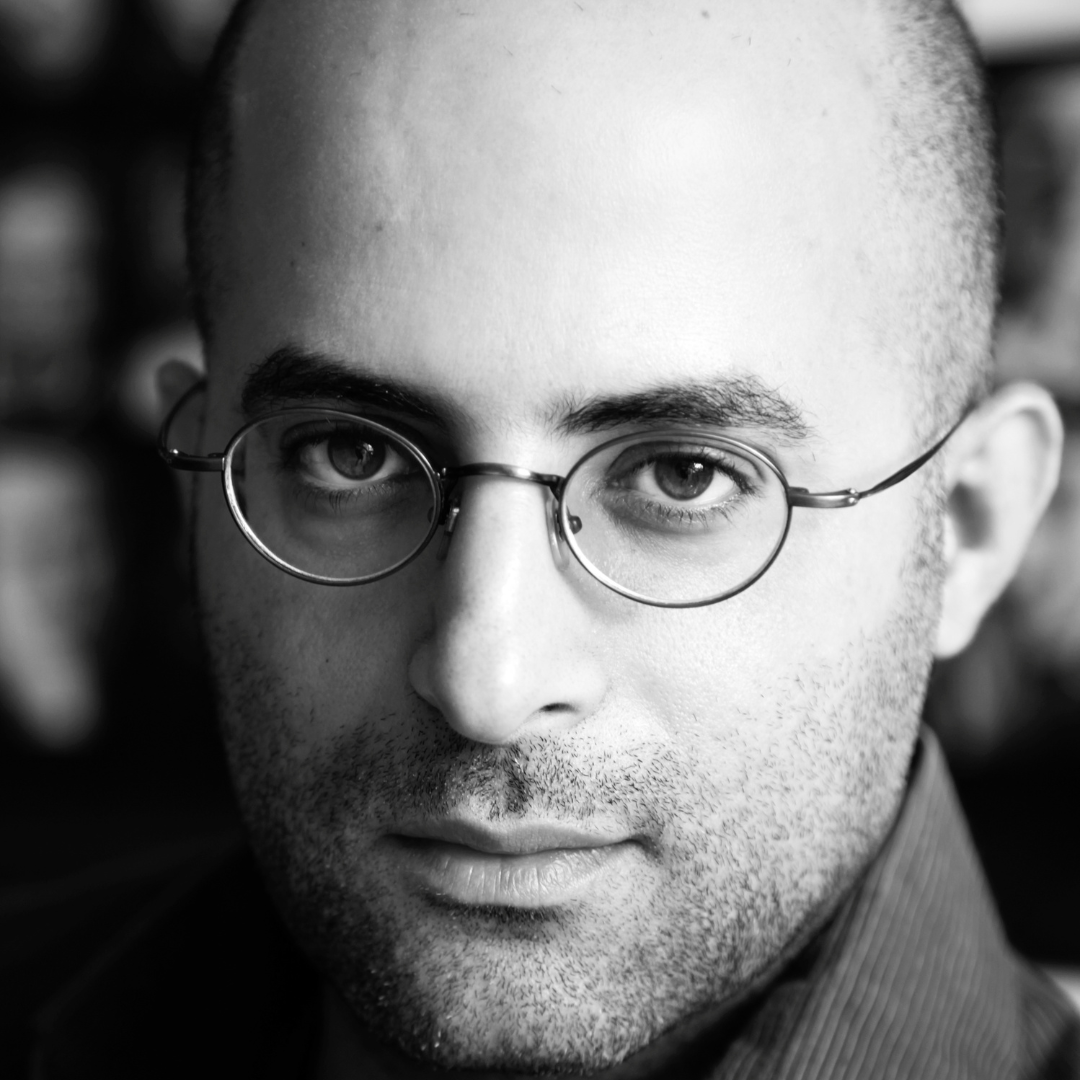
Asaf Hanuka
Asaf Hanuka is an award-winning Israeli comic book writer, illustrator, and educator, renowned for his surreal visual metaphors and poignant social commentary. His work has been translated into dozens of languages and has earned numerous international accolades, including the Eisner Award, the Gold Medal from the Society of Illustrators, and the International Manga Award. Hanuka is the Chief Creative Officer of Yuka Studios for animation and a co-editor at Yuka Books. He lives in Ramat Gan with his wife, illustrator and curator Hilit Shefer, and their two children. Not many people know that he’s also a professional hummus eater.
Headshot by Cecile Gabriel
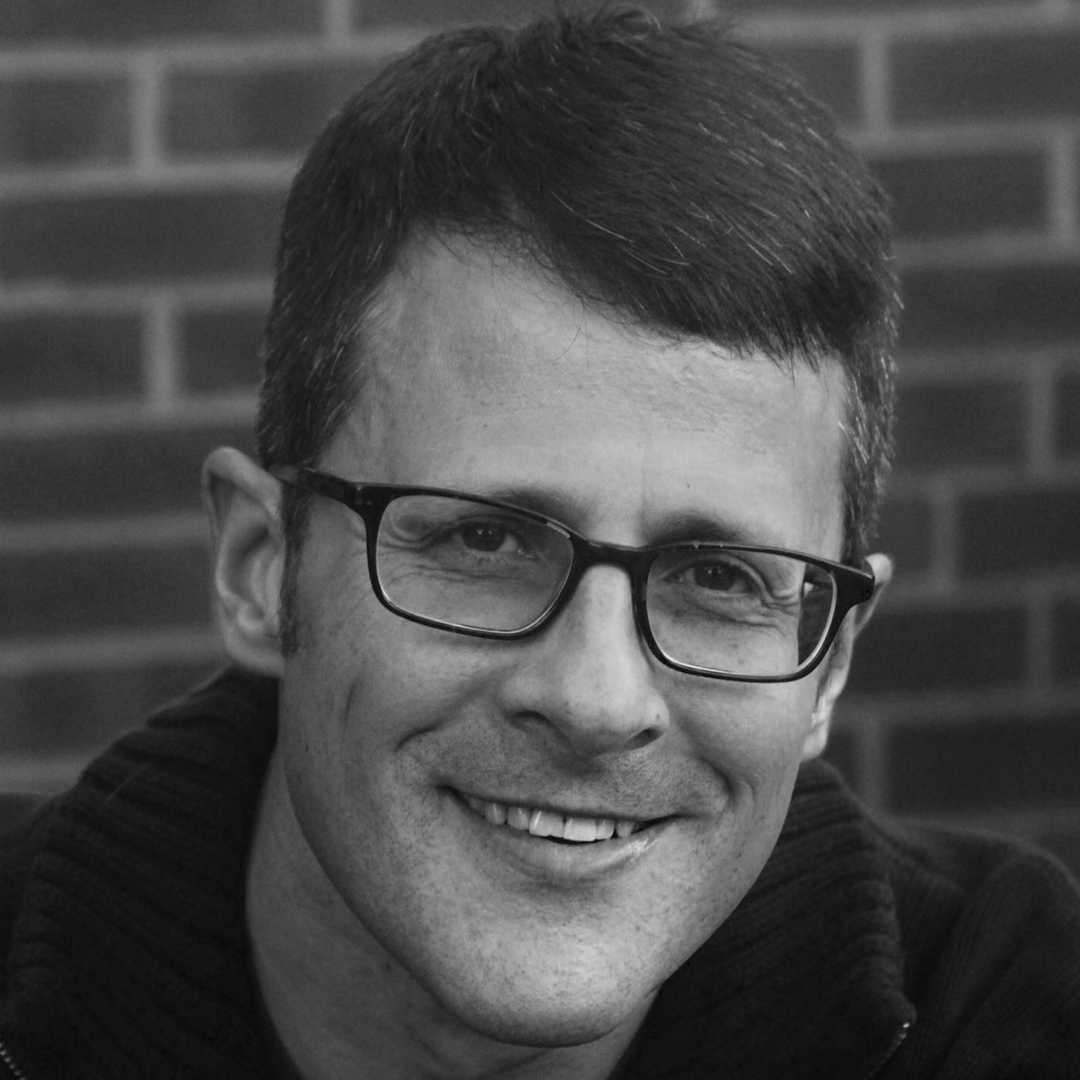
Todd Hasak-Lowy
Todd Hasak-Lowy is a writer, professor, and translator. He has a Ph.D. in Comparative Literature from UC Berkeley, where he studied modern Hebrew literature. Hasak-Lowy is the author of a half-dozen books, including the short story collection The Task of This Translator, the middle-grade novel 33 Minutes, and the Holocaust memoir (which he co-wrote) Somewhere There is Still a Sun. He is also an award-winning translator of Hebrew fiction. Hasak-Lowy lives in Evanston, Illinois, and teaches Literature and Creative Writing at the School of the Art Institute of Chicago.
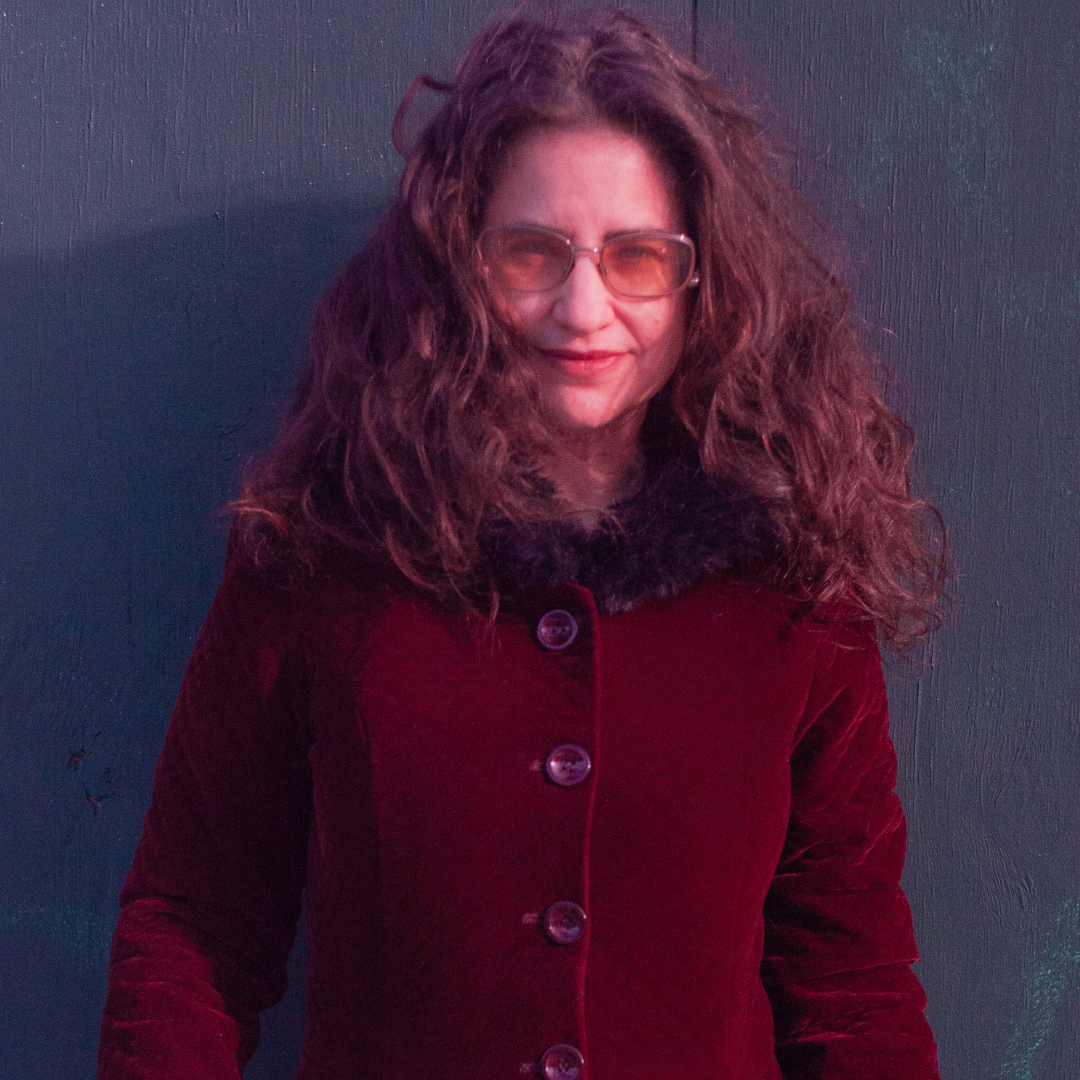
Lynn Melnick
Lynn Melnick’s most recent book of poetry, I Deserve This, Thank You, received the Stern Prize from American Poetry Review and will be published by Copper Canyon Press in 2027. She is the author of three poetry collections, including Refusenik, winner of the Julie Suk award, and finalist for the National Jewish Book Award. Melnick is also the author of the memoir I’ve Had to Think Up a Way to Survive: On Trauma, Persistence, and Dolly Parton. She teaches at Princeton University and Columbia University and lives in Brooklyn.
Headshot by Ada Donnelly
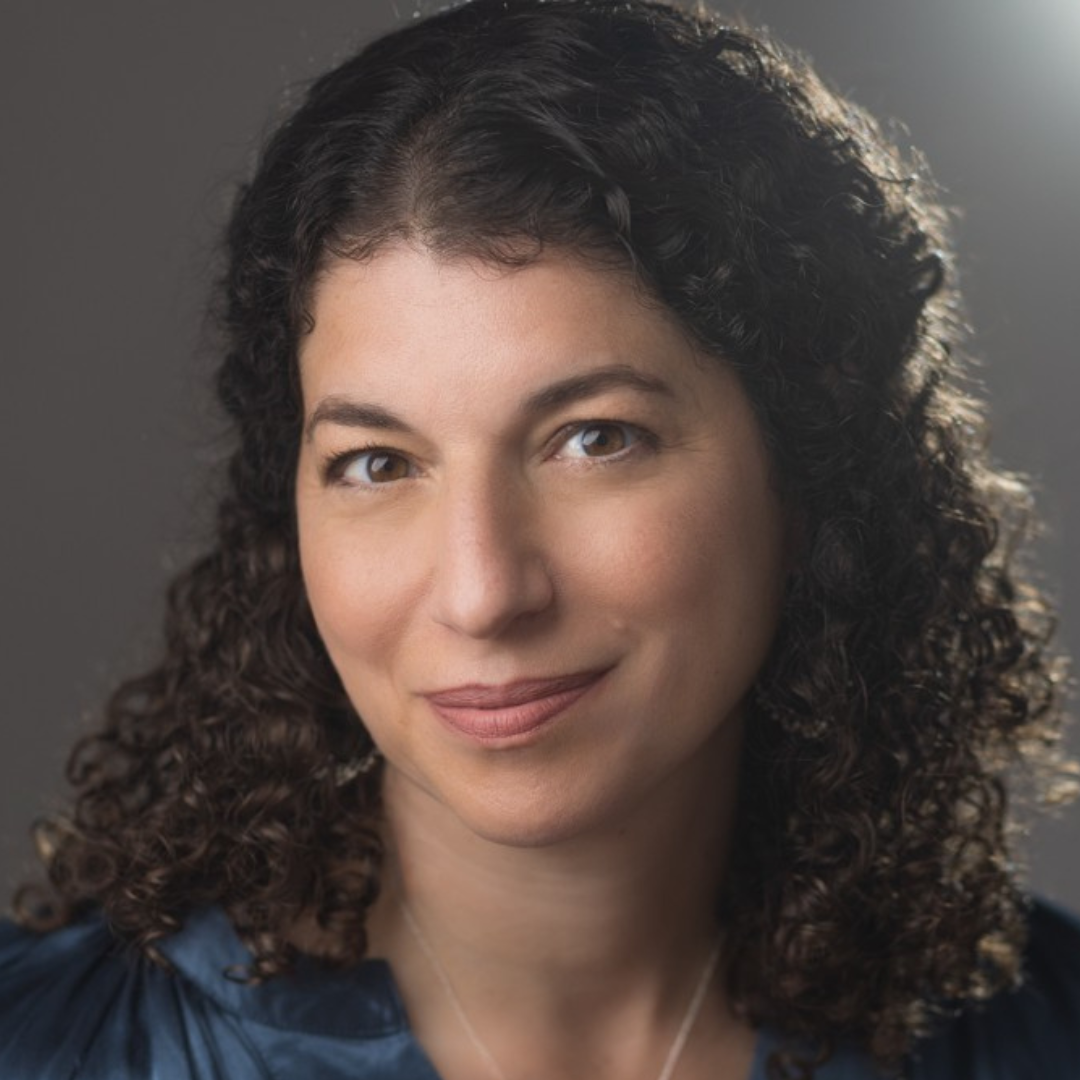
Tova Mirvis
Tova Mirvis is the author of four novels, We Would Never, Visible City, The Outside World and The Ladies Auxiliary which was a national bestseller. Her memoir The Book of Separation was a New York Times Book Review Editor’s Choice and excerpted in the New York Times Modern Love Column. Her essays have appeared in publications including the Washington Post, Boston Globe Magazine and Real Simple, and her fiction has been broadcast on NPR. She has been a Visiting Scholar at the Hadassah-Brandeis Institute, a Fiction Fellow for the Massachusetts Cultural Council and is the writer-in-residence at Jewish Book Council’s Nu Reads project.
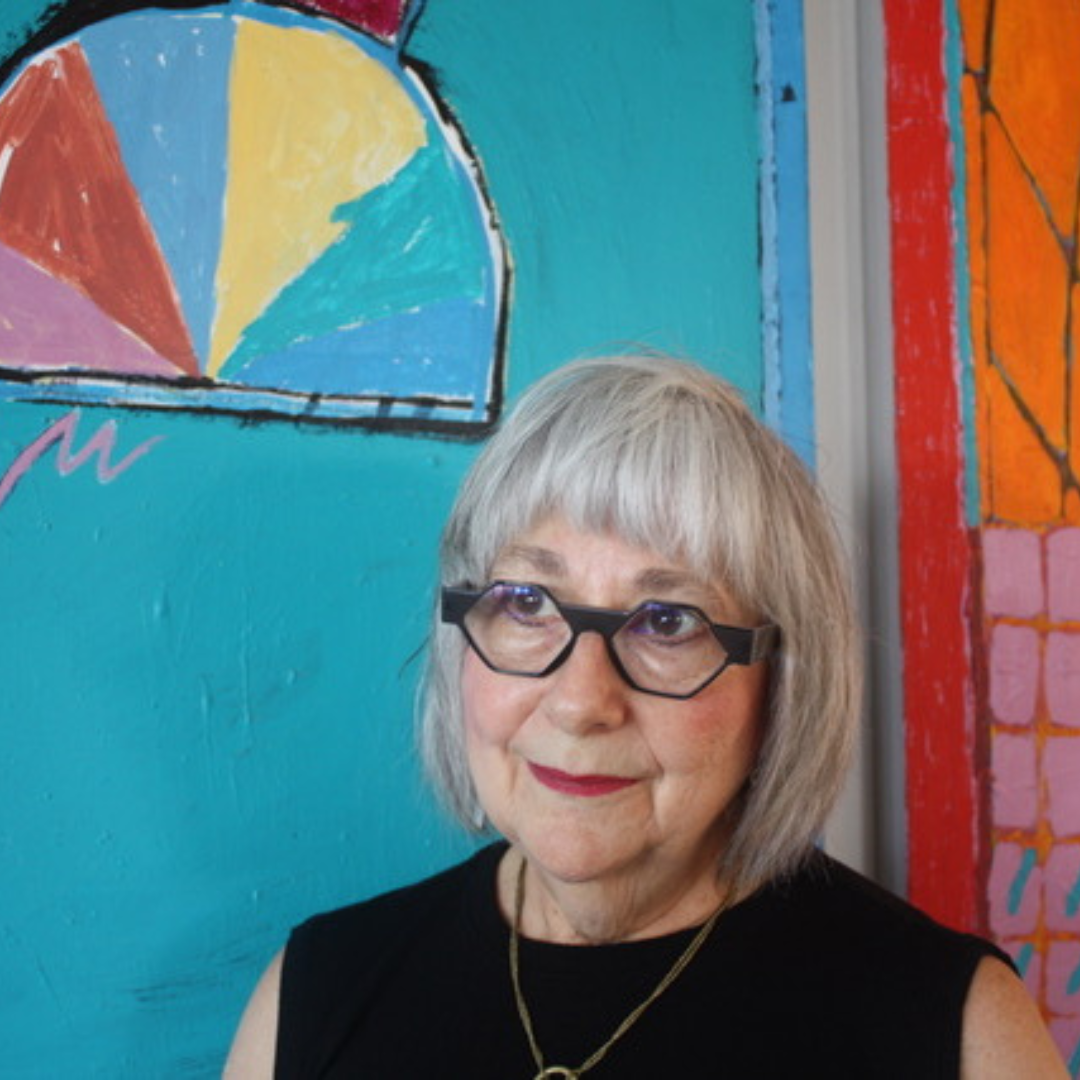
Yerra Sugarman
Yerra Sugarman is the author of three volumes of poetry: Aunt Bird published by Four Way Books, which won the American Book Fest’s 2022 Best Book Award for General Poetry, and was a finalist for the National Jewish Book Award; The Bag of Broken Glass, which received a National Endowment for the Arts Fellowship; and Forms of Gone, which was awarded PEN American Center’s Joyce Osterweil Award for Poetry. She holds an MFA in painting from Columbia University and a Ph.D. in Creative Writing and Literature from the University of Houston.
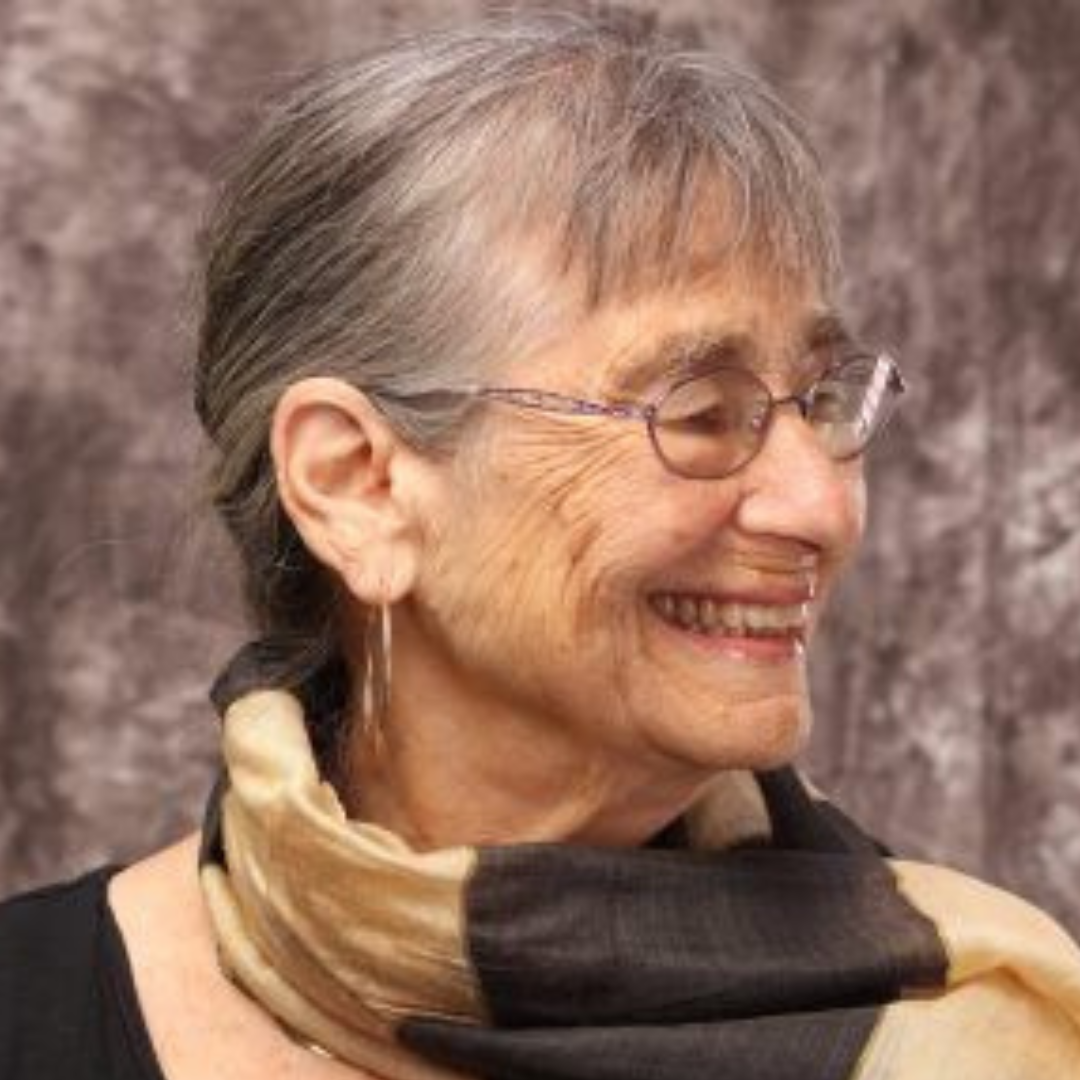
Alicia Ostriker
Alicia Ostriker is the author of 19 poetry collections and a leading feminist critic. She has been twice nominated for the National Book Award and twice received the National Jewish Book Award for Poetry. Her critical works include Stealing the Language: The Emergence of Women’s Poetry in America, as well as studies of poetry and the Bible such as The Nakedness of the Fathers and For the Love of God: The Bible as an Open Book. Her recent poetry collections include The Volcano and After: Selected and New Poems 2002-2019 and The Holy and Broken Bliss: Poems in Plague Time. Her work is widely translated. She served as New York State Poet Laureate and as a Chancellor of the Academy of American Poets.
Creative Advisors
Shalom Auslander
Joseph Cedar
Jessica Cohen
Alex Edelman
Ira Glass
Jane Hirshfield
Rachel Kadish
Ilya Kaminsky
Jodi Kantor
Nicole Krauss
Alicia Ostriker
Liev Shreiber
Judith Shulevitz
Regina Spektor
Deborah Treisman
Learn more about our Creative Advisors here.
Assistant Directors
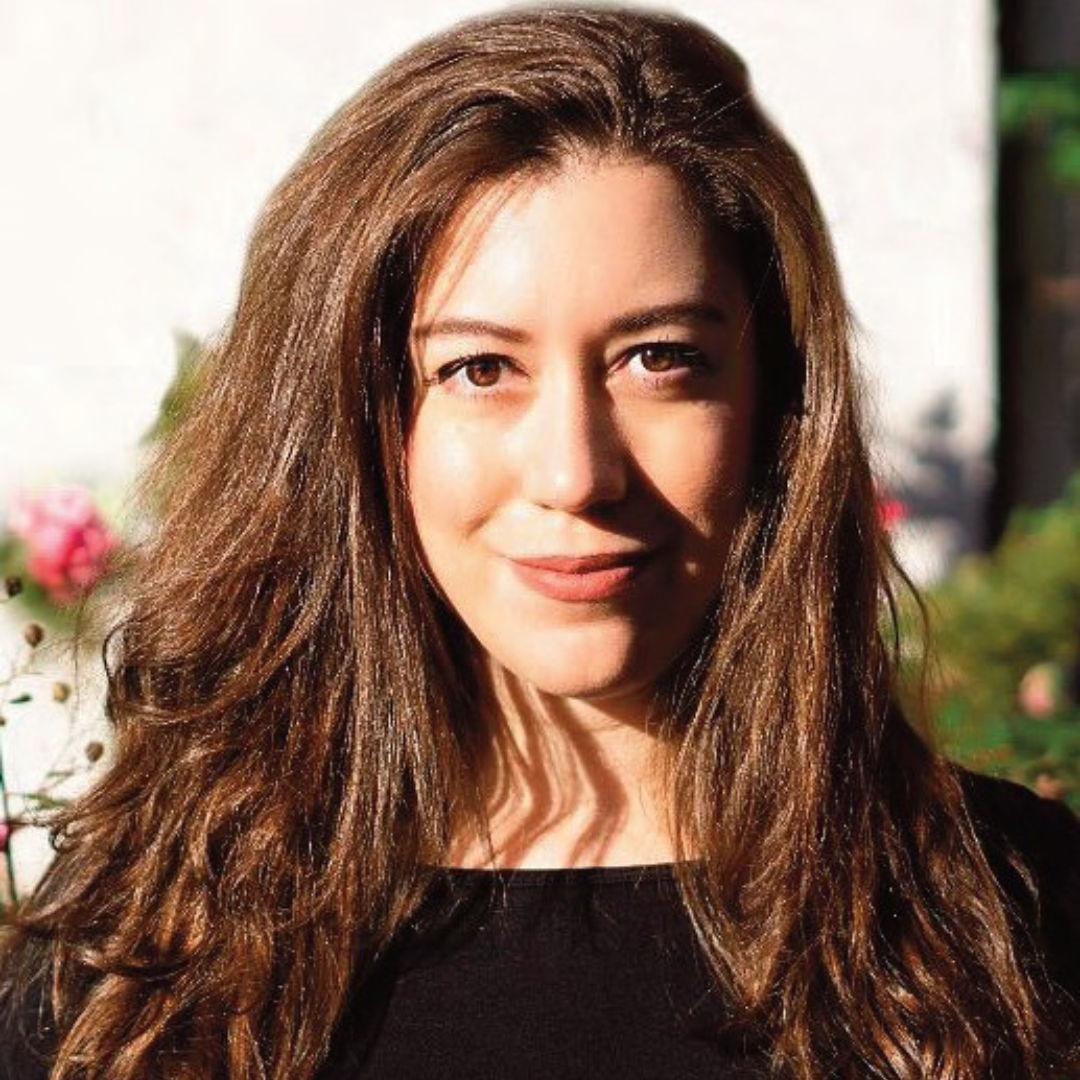
Carlie Hoffman
Carlie Hoffman is the author of three poetry collections, including When There Was Light, winner of the National Jewish Book Award. Her translation from German of Selma Meerbaum-Eisinger’s Song of the Yellow Asters is out with World Poetry Books; her translations of Rose Ausländer are forthcoming. A 2025–26 Memorial Foundation for Jewish Culture Fellow, her honors include a 92NY “Discovery”/Boston Review prize, a Poets & Writers Amy Award, and a NYSCA/NYFA fellowship. Her work appears in Poetry Magazine, the Academy of American Poets’ Poem-a-Day, Los Angeles Review of Books, Jewish Currents, and elsewhere. She earned an MFA from Columbia University and a master’s in Literary Translation from Queens College.
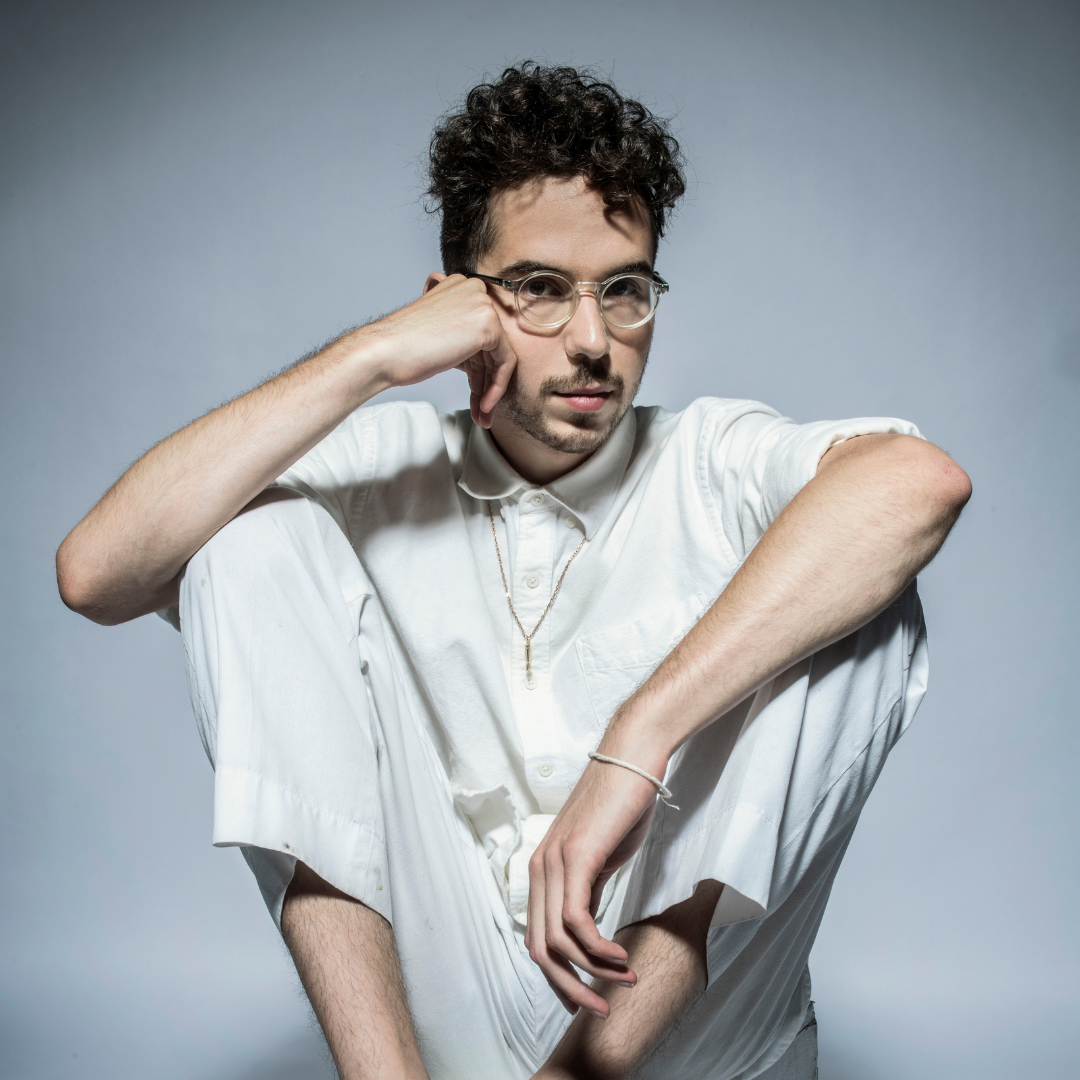
Eli Zuzovsky
Eli Zuzovsky is a film and theater writer and director. He graduated from Harvard with a bachelor’s in filmmaking and English. Zuzovsky holds a master’s in French and German and a practice-led Ph.D. in fine art from Oxford, where he was a Rhodes Scholar. His work has been shortlisted for an Israeli Academy Award and presented at the New York Jewish Film Festival, the American Repertory Theater, and Modern Art Oxford, among others. An Israeli Forbes “30 Under 30” honoree, he’s the winner of the 2025 Einstein Fellowship. Zuzovsky’s debut novel, Mazeltov—adapted from his undergraduate thesis film starring Amit Rahav (Unorthodox) and Amir Khoury (Fauda)—came out in 2025.
Headshot by Ilya Melnikov
Program Highlights
In the MFA, students experiment with different methods of storytelling while engaging in ongoing creative work and mentorship.
The MFA Residency
Each semester begins with a ten-day in-person residency on campus at JTS, held in the early fall and early winter. Through craft classes and workshops with celebrated storytellers, study of Jewish narrative forms with JTS faculty, and meetings with editors and agents, each cohort will form community, build their literary network, gain concrete skills, and draw inspiration for their storytelling. Following their final semester, students will participate in a fifth graduate residency.
For Fall 2026, the residency will take place from August 31 to September 9. For Winter 2027, the residency will take place between February 14 to 23.
The MFA Semester Project
After the residencies, students will engage in independent study from wherever they live, working closely with a faculty mentor on a personalized curriculum that includes creative work and deep exploration of readings and other artistic materials. On a monthly basis, students will regularly share drafts of their work and reflections on their creative process.
Jewish Learning Opportunities
During the residency, students will immerse themselves in Jewish storytelling traditions. Throughout the program, students will have the opportunity to learn from JTS Jewish Studies faculty and explore the treasures of The JTS Library, which has the largest collection of Jewish manuscripts in the world. To supplement their MFA coursework, students can optionally enroll in Jewish Studies courses and seek feedback and guidance on their work from JTS’s diverse and distinguished scholars.
SPOILER: The Unpredictable Storytelling Festival
In the fall, JTS hosts SPOILER: Unpredictable Storytelling Festival. Over a series of evenings, a lineup of world-renowned authors, including the MFA faculty, take the stage at JTS to teach and inspire. The festival features masterclasses, networking events, and storyteller roundtables.
The inaugural festival took place September 7, 8, and 10, 2025, featuring MFA storytellers Etgar Keret (MFA Director), Jonathan Safran Foer (Founding Creative Advisor), Jodi Kantor, Shalom Auslander, Alex Edelman, and Deborah Treisman (all creative advisors). More details about the next festival will be announced at a later date.
Program FAQ
Who is this program for?
Anyone who has a powerful and authentic story to tell and a willingness to persist in exploring it under the mentorship of our faculty. Students will be selected based on the quality of their submission as well as their passion for telling the stories that inspire them. Please note: submissions do not need to be finished or fully polished. A completed undergraduate degree is required for admission.
What genres of writing can I study?
MFA students develop their storytelling skills across a range of forms that include and extend beyond traditional prose and poetry. The application permits tailoring your submission to your genre. During the program, you can explore multiple genres.
Do I need to write about Judaism and/or related topics?
Artistic freedom is a core value of the program, and we welcome the exploration of diverse topics and perspectives on Jewish and non-Jewish topics.
What does “Low-Residency” mean?
Low-residency programs combine distance learning with short, on-site residencies, providing a flexible, rigorous, and personalized path to a degree. The JTS MFA starts each semester with an in-person residency at JTS, followed by a semester of independent study from anywhere. For Fall 2026, the residency will take place from August 31 to September 9. For Winter 2027, the residency will take place between
February 14 to 23.
Do my application materials and writing projects need to be in English?
Your application materials should be primarily in English, so our committee can fully evaluate your work. That said, we warmly welcome multilingual and translation projects. You’re free to include elements in other languages, but your statement of purpose and main writing sample should be in English. Please note that all workshops and instruction in the program are conducted in English.
This program is generously funded through the support of Abby Joseph Cohen.


