Summer 2026 #JTSRamahConnection
Each summer, members from the JTS senior leadership team spend time at Ramah camps. They study and learn with campers and staff and have the opportunity to engage in informal conversations on such topics as their own personal Jewish journeys, career opportunities in the Jewish world, and the various programs and courses of study at JTS.
Some of these JTS leaders have graciously taken the time to share their reflections on their visits. We are delighted to share their moving reflections with you.
Rabbi Mike Uram, Chancellor
Seeing the #JTSRamah Connection in Action
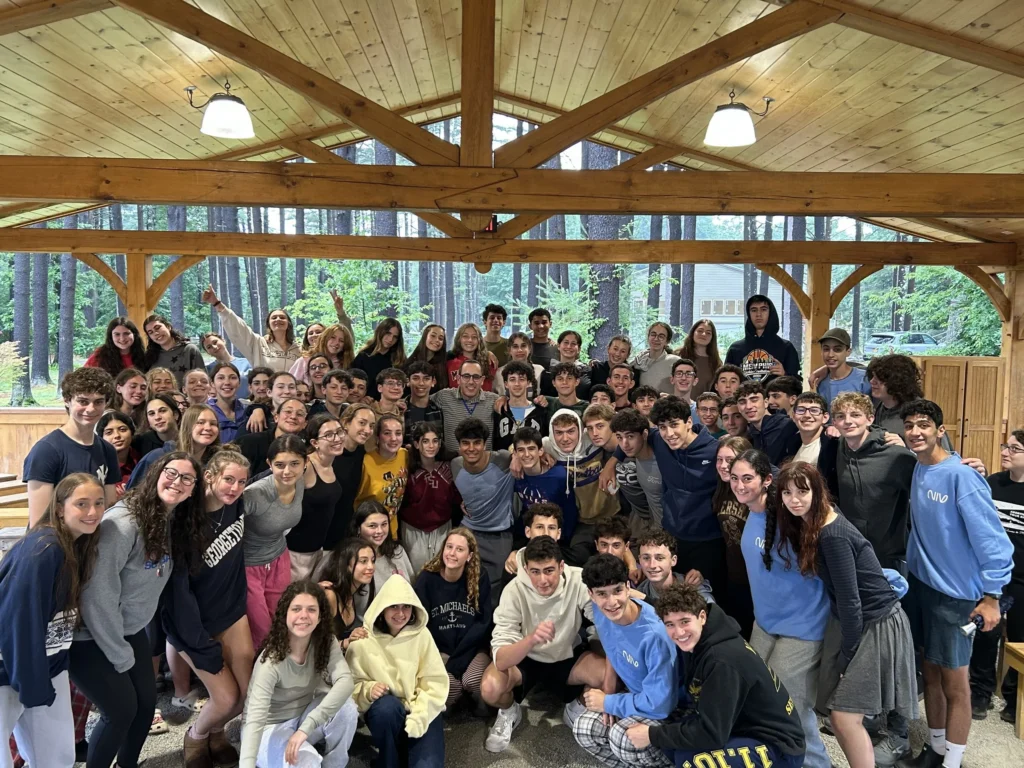
If I had to summarize my Ramah experience this summer, the first word that comes to mind is “amazing.”
During my visit to Camp Ramah New England, which came during my second week as chancellor, I had the privilege of meeting campers ranging from Ta’am, getting their first “taste” of Ramah, to intellectually curious rising 11th graders wrestling with deep fears about their own futures, as well as the future of humanity. I also spoke with rising 10th graders who are concerned about antisemitism and who have experienced it firsthand in their schools and communities.
Randy Michaels, Vice Chancellor and Chief Operating Officer
Reflections on My Summer Visits to Ramah: Ruach Across a Continent
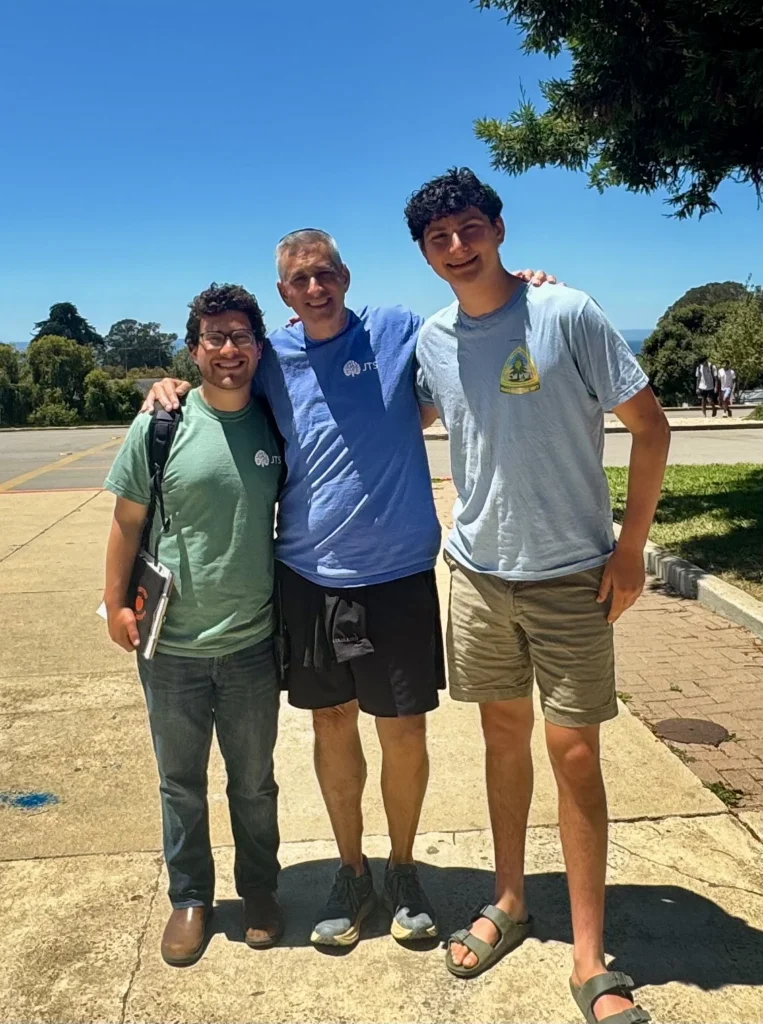
This summer, I had the profound privilege of visiting all nine of our overnight Ramah camps, and Ramah Day Camp in Nyack—an experience that carried me from the lakes of Canada, Wisconsin, Poconos, Berkshires, and Palmer to the peaks of the Rockies, from the heart of the South to the shores of California, and back home again to the Ojai Valley, where I worked for eighteen years. It was a summer of movement, but also, in a deeper sense, a summer of stillness: the chance to slow down and simply witness the Ramah ruach (spirit) as it lives and breathes in each of its distinct communities.
Rabbi Gordon Tucker, Vice Chancellor for Religious Life and Engagement
Reflections on Kayitz 2026 at Camp Ramah New England
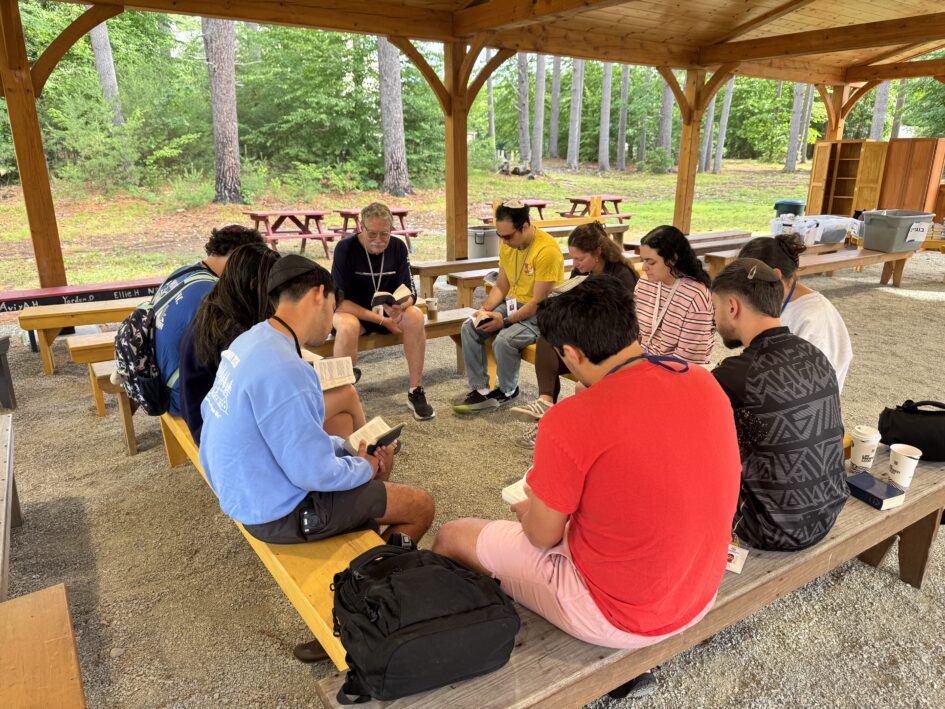
What keeps an old-timer like me coming back to Ramah in New England for 2-3 weeks each summer? There is the beauty of Western Massachusetts, of course, and the greater proximity to the baseball cathedral next to the Fenway. This year, especially, there was the excitement of seeing all the physical renewal happening at camp (a state of the art Arts Center, and an equally dazzling new “Marp”). But none of these factors are as important as the people. One of the prerogatives of being a veteran of 24 summers is the opportunity to befriend, work beside, and teach campers, the college students who care for them, the senior staff, and even the various adults who visit camp on weekends.
Rabbi Ayelet Cohen, Dean of The Rabbinical School and Dean of the Division of Religious Leadership
Bringing Our Foundational Texts To Life: Rabbi Ayelet Cohen’s Reflections on Her Visit to Camp Ramah in Wisconsin
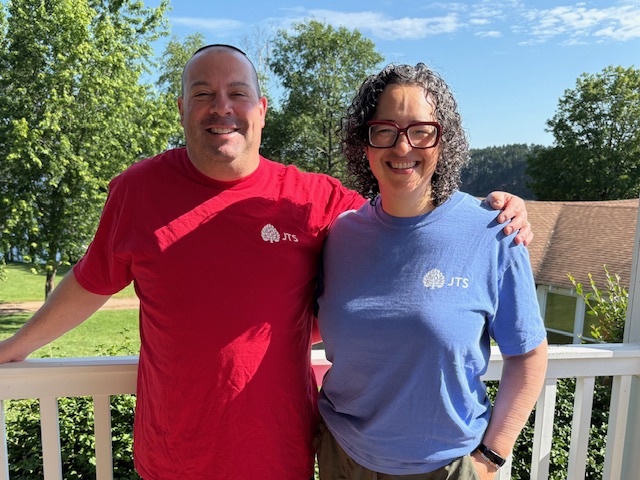
Something felt right about spending the Shabbat of July 4th on the U.S. sesquicentennial at the first Ramah camp, Camp Ramah in Wisconsin. It was the perfect setting to reflect on our foundational texts, as Jews and as Americans, and the way in which we build and maintain a culture steeped in our values. Campers had spent the week exploring the idea of civic engagement as American Jews, thinking about independence, autonomy, and communal responsibility. At Kabbalat Shabbat, camp director Jacob Cytryn explained that Ramah Wisconsin does not aspire to shield the campers from happenings in the world, but rather to provide a container in which to explore the challenges of our times through the lens of Jewish community. As kids explore the freedom and intensive Jewish community that camp provides, they have a real opportunity to assert their independence while honoring camp traditions, Jewish practice, and the leadership of their counselors and staff.
Rabbi Cantor Shoshi Levin Goldberg, Director of the H.L. Miller Cantorial School
Building the Next Generation of Jewish Leaders
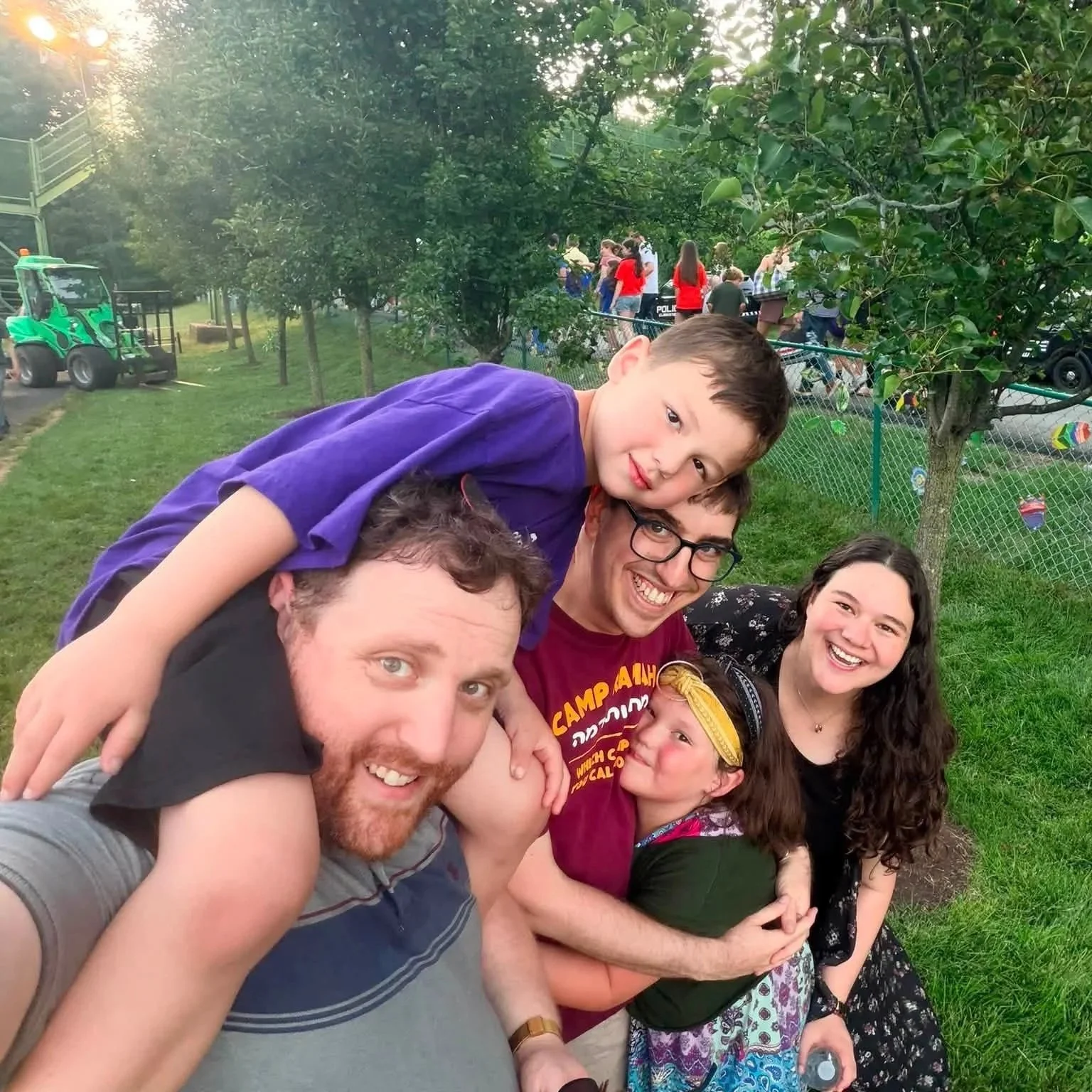
This summer, I spent time at two Ramah camps: Ramah Day Camp in Nyack, New York and Camp Ramah in the Poconos. A major highlight of these visits is catching up with our JTS cantorial and rabbinical students, and it was wonderful to see so many of them in action in a variety of roles at camp, from hinukh/education, to camp mashgiah to rashei edot. Each of these future clergy brings their unique talents and energy to their jobs on tzevet/staff, and they serve as wonderful role models to fellow staff members and campers alike. It was also inspiring to connect with current college students considering a future in the Jewish professional world, as clergy, educators or other professionals.